
Managing Rhinitis in Scented Workplaces: Salons and Retail
Practical, non-prescriptive ways to reduce rhinitis discomfort around fragrances in salons and stores. Focus on exposure reduction, environmental tweaks, and clear communication.
In brief
Tips to help you navigate scented workplaces such as hair salons and retail shops, with simple steps to limit exposure and improve comfort while at work or shopping.
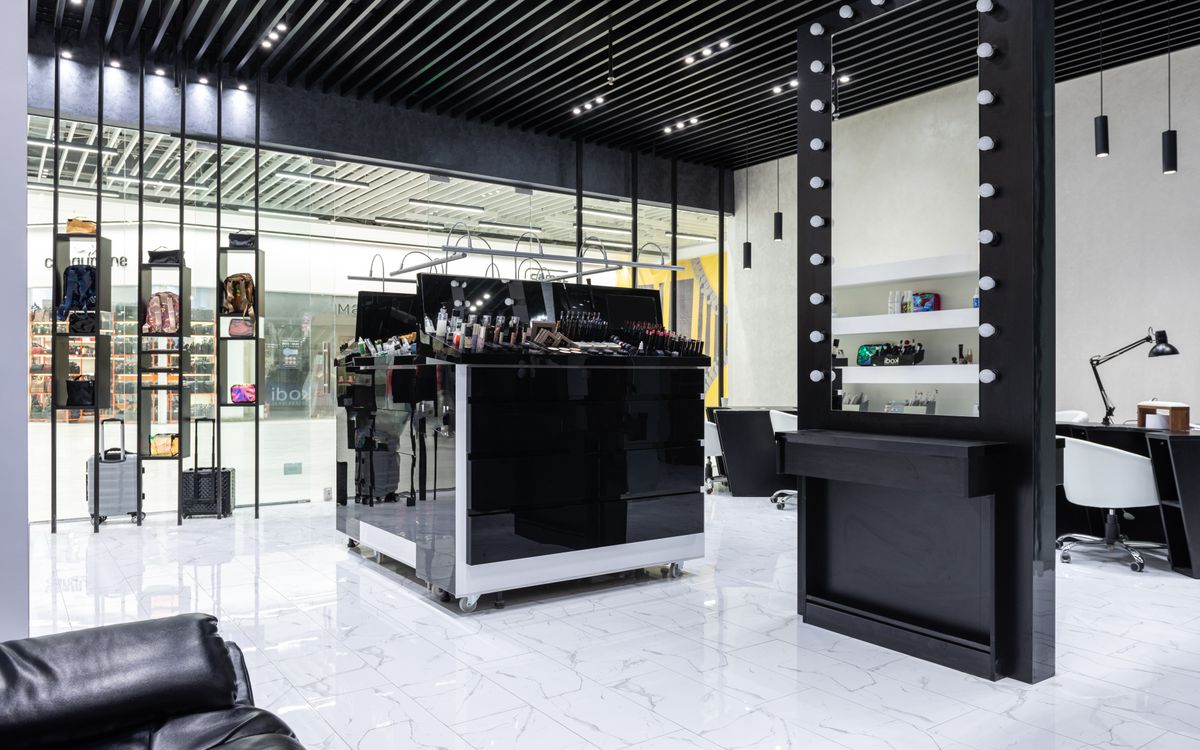
Photo by Max Vakhtbovych on Pexels
Scented products and frequent spraying are common in salons and many retail environments, and they can contribute to sniffing, sneezing, congestion, or general discomfort for people with rhinitis. Fragrances and volatile product ingredients can travel through the air, so the location and frequency of use matter for exposure. Understanding typical triggers in these settings can help you plan how to reduce contact with strong scents.
At the personal level, small practical choices may help limit exposure. Standing or sitting a short distance from testers, displays, or styling areas can reduce the intensity of scent you experience. Choosing off-peak times for shopping or appointments can also mean fewer sprays and less overall airborne fragrance.
Environmental adjustments may make a difference in shared spaces. Local ventilation, opening doors or windows where possible, and limiting continuous use of aerosols are examples of things that can lower airborne scent levels. Portable air cleaners or closed display cases for fragranced items are other approaches some workplaces use to reduce spread of smell.
Clear, respectful communication can be useful in public-facing and team settings. Letting staff or colleagues know about fragrance sensitivity, asking for testers on a blotter rather than directly on skin, or requesting fewer sprays during a session are practical, non-confrontational steps. Some workplaces have fragrance-free or low-fragrance policies—asking about these options when you make appointments or shop can help you choose a more comfortable time or location.
Preparing for visits and self-care can make outings more manageable. Carrying tissues, water, and quick comfort items you find useful can ease moments of irritation, and taking short breaks outside may help reset symptoms. If rhinitis symptoms are frequently disruptive, you might consider discussing ongoing strategies with workplace managers or a healthcare professional to explore longer-term adjustments.
Daily articles
Subscribe for daily reads and jump into the latest article now.
Receive RhinitisRank articles by text message and email each day, then head straight to the article library whenever you want a deeper read.

Fresh reading
Educational reads for flare-ups, patterns, and next steps.
Related reading
More articles in this topic cluster
Continue with nearby rhinitis questions, symptom patterns, and follow-up reading.

Navigating Scented Spaces with Rhinitis: A Practical Guide
Everyday fragrances—from perfumes to cleaning products—can affect rhinitis comfort. Learn how to recognize sources, plan outings, and communicate scent preferences calmly.

Grocery Shopping and Rhinitis: Practical Comfort Strategies
Timing, route choices, and simple comfort items can make grocery trips easier to manage with rhinitis. Consider options that reduce time in trigger-prone areas.

Navigating Fragrance Sensitivity When You Have Rhinitis
Fragrances can be an invisible trigger for rhinitis symptoms. Learn common sources, communication approaches, and environment-focused strategies to reduce encounters.
Archive
Back to the article hub
Browse more RhinitisRank articles and long-tail education pages.
OpenPractical tools
Move into practical resources
Open tools like the trigger diary, checklists, and visit-prep resources.
OpenQuick assessment
Take the rhinitis quiz
Turn symptoms into a clearer starting point before your next appointment.
Open