
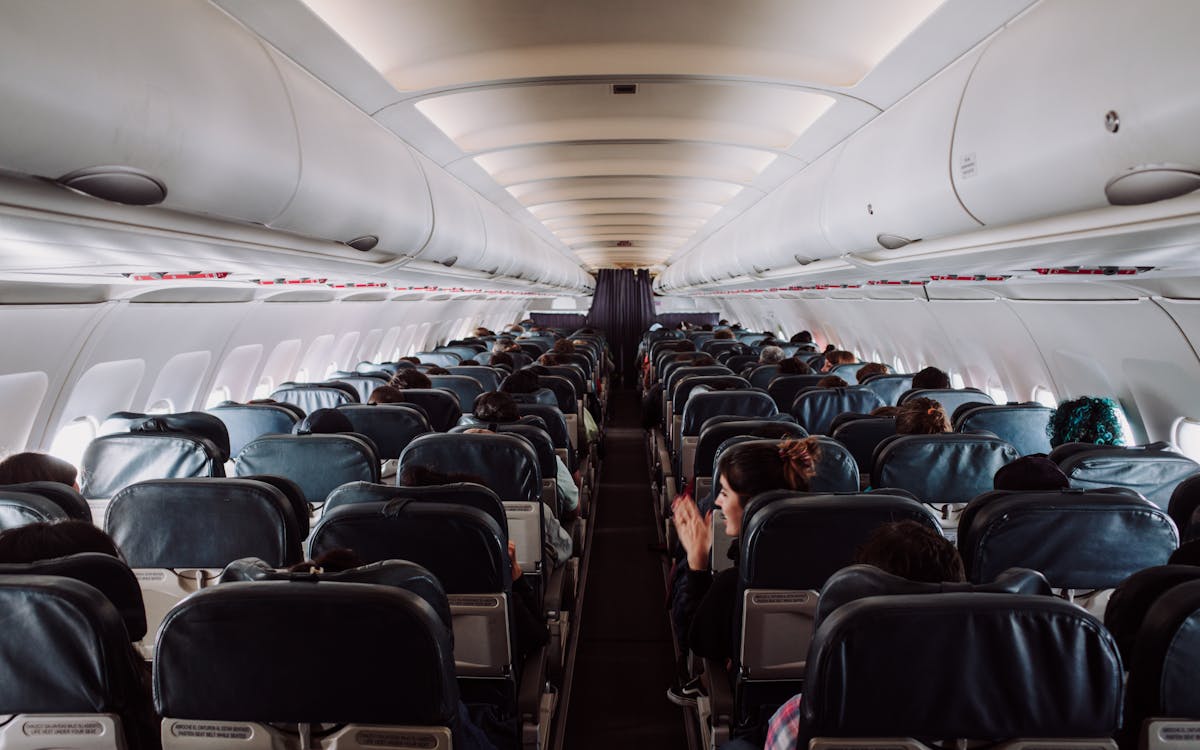
Managing Rhinitis During Air Travel and Airports
Airports and airplanes create a mix of environmental factors that can influence nasal symptoms. This article offers practical, non-prescriptive information to help you notice patterns and plan for travel with rhinitis.
Air travel brings together several common rhinitis triggers: dry cabin air, recycled ventilation, crowded terminals and changing air pressure. Many people notice differences in their symptoms when they move from a humid home environment to an airplane cabin and busy airport spaces.
Airport terminals expose travelers to concentrated scents, cleaning chemicals, food aromas and close contact with other people. These varied exposures can make it harder to identify a single cause, so observing which areas or activities precede symptoms may help with future planning.
Packing a small travel kit — for example, tissues, a damp cloth, or familiar over-the-counter items some people use — can make airport days easier for those with nasal sensitivity. Staying mindful of hydration and taking short breaks from crowded gates or food courts may also be helpful for some travelers, though experiences vary from person to person.
In-flight conditions such as low humidity and cabin pressure changes can affect how nasal passages feel for many people. Adjusting personal ventilation (like aiming an overhead vent away from the face) and moving gently during longer flights are strategies some travelers report finding useful; individual responses differ.
Before and after travel, tracking when symptoms arise, and what environments or activities coincide with them, can reveal useful patterns over time. If air travel consistently affects your nasal comfort, discussing observations with a healthcare professional or an ENT specialist may be one step toward clearer understanding, while remembering that approaches that work for one person may not suit another.
Daily articles
Subscribe for daily reads and jump into the latest article now.
Receive RhinitisRank articles by text message and email each day, then head straight to the article library whenever you want a deeper read.

Fresh reading
Educational reads for flare-ups, patterns, and next steps.
Related reading
More articles in this topic cluster
Continue with nearby rhinitis questions, symptom patterns, and follow-up reading.
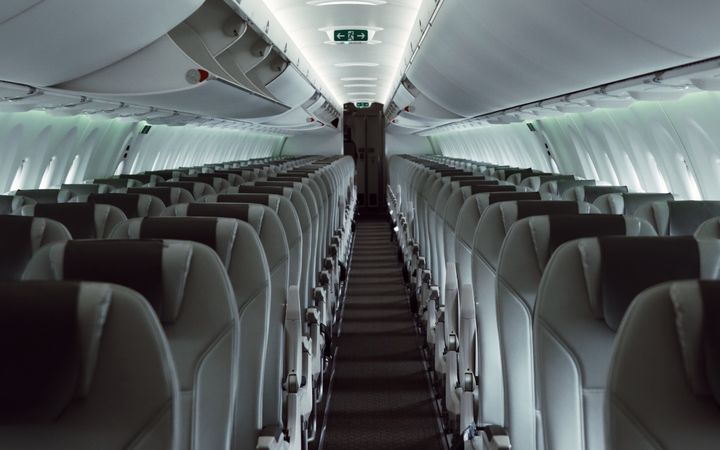
Flying with Rhinitis: In-Flight Comfort and Planning
Prepare for flights by choosing seats, packing nasal-care items, and using simple in-flight habits that many people with rhinitis find helpful.
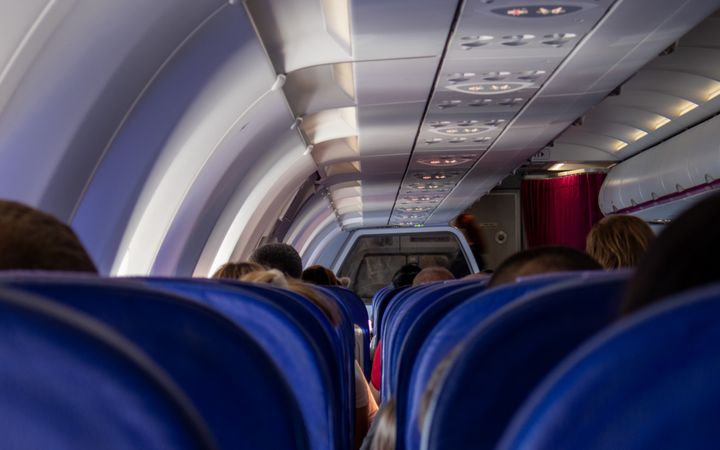
Flying with Rhinitis: Cabin Air, Seating, and Comfort
Learn non-prescriptive strategies to reduce nasal discomfort on flights — from cabin air and seating choices to packing and in-flight routines.
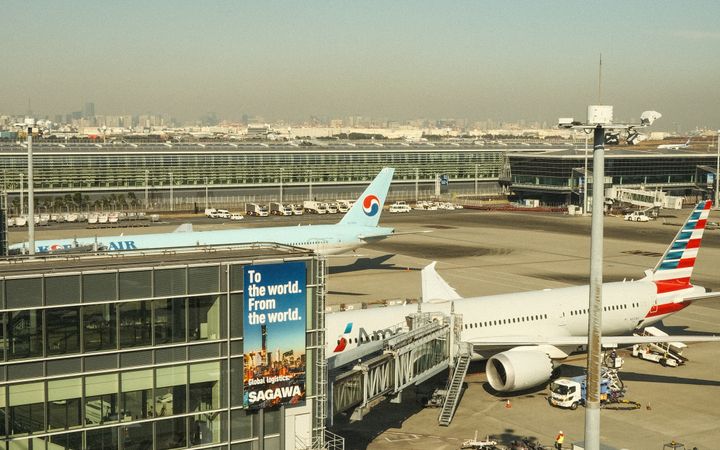
Flying with Rhinitis: Practical Air-Travel Strategies
Planning and simple in-flight habits can ease rhinitis-related discomfort on planes. Learn gentle, practical steps to prepare and travel more comfortably.
Archive
Back to the article hub
Browse more RhinitisRank articles and long-tail education pages.
OpenPractical tools
Move into practical resources
Open tools like the trigger diary, checklists, and visit-prep resources.
OpenQuick assessment
Take the rhinitis quiz
Turn symptoms into a clearer starting point before your next appointment.
Open