

Managing Rhinitis at Work: Air, Desk, and Meetings
Offices and other work settings bring a mix of indoor triggers that can influence rhinitis symptoms. This article reviews common workplace challenges and practical, non-prescriptive ways people often adapt during the workday.
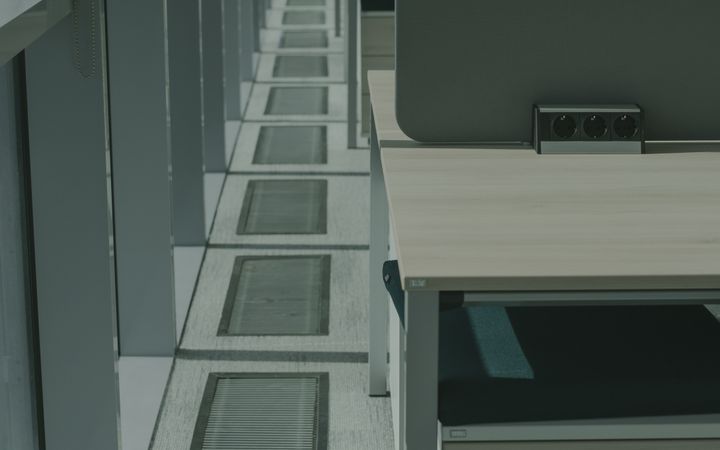
Photo by Tim Witzdam on Pexels
Many workplaces concentrate airborne particles and scents because of shared ventilation, carpeting, cleaning products, and personal care items. These environmental factors can interact with individual sensitivities, so noticing which parts of the workday feel hardest can help guide small changes. Observing patterns—such as symptom increases after entering a particular room—can be a useful first step without assuming a single cause.
At your desk, simple habits may reduce moment-to-moment discomfort: keeping tissues and water handy, taking short breaks to step into fresher air, and avoiding strongly scented personal products in shared spaces. Some people find benefit from using a personal, low-volume air filter or placing items like a small saline rinse kit in a desk drawer, though individual responses vary. Regular surface cleaning of keyboards and phones can also limit dust and residue that may irritate the nose.
Shared spaces such as conference rooms, break rooms, and printers often have concentrated scents or dry air. When feasible, brief well-timed breaks, sitting near doorways or vents, and opening a door for a few minutes between long meetings may improve comfort for some people. If particular rooms consistently cause trouble, noting times and places can help when discussing adjustments with team members or facility staff.
Transitions between home and work can carry outdoor allergens or workplace pollutants on clothing and hair. Changing into work clothes, washing hands and face after commuting, and storing outerwear away from work surfaces are common strategies people use to limit transfer. For those who commute through high-pollen or high-traffic areas, simple alterations to routes or timing might change exposure levels.
Talking about symptoms at work can feel sensitive, but many workplaces have policies and informal options that support comfort, such as fragrance-free guidelines or flexible work locations. If symptoms are frequent or limiting daily activities, seeking an evaluation from a healthcare professional may provide tailored options. In all cases, small, individualized adjustments often improve day-to-day comfort without major disruption to routines.
Daily articles
Subscribe for daily reads and jump into the latest article now.
Receive RhinitisRank articles by text message and email each day, then head straight to the article library whenever you want a deeper read.

Fresh reading
Educational reads for flare-ups, patterns, and next steps.
Related reading
More articles in this topic cluster
Continue with nearby rhinitis questions, symptom patterns, and follow-up reading.

Navigating Rhinitis in Open-Plan Offices and Meetings
Practical ideas to lower rhinitis triggers at work, from seating and scent awareness to ventilation and meeting prep. Focus on options you can try or discuss with colleagues.

Rhinitis at Work: Minimizing Symptoms in Open Offices
Simple, non-prescriptive ways to lessen rhinitis triggers at work — from desk setup to meeting strategies — to help you stay productive and comfortable.
Managing Rhinitis in Open Offices: Comfort Strategies
Shared offices bring common irritants like HVAC airflow, scents, and dust. Learn non-prescriptive strategies to reduce discomfort and plan for a more comfortable workday.
Archive
Back to the article hub
Browse more RhinitisRank articles and long-tail education pages.
OpenPractical tools
Move into practical resources
Open tools like the trigger diary, checklists, and visit-prep resources.
OpenQuick assessment
Take the rhinitis quiz
Turn symptoms into a clearer starting point before your next appointment.
Open