
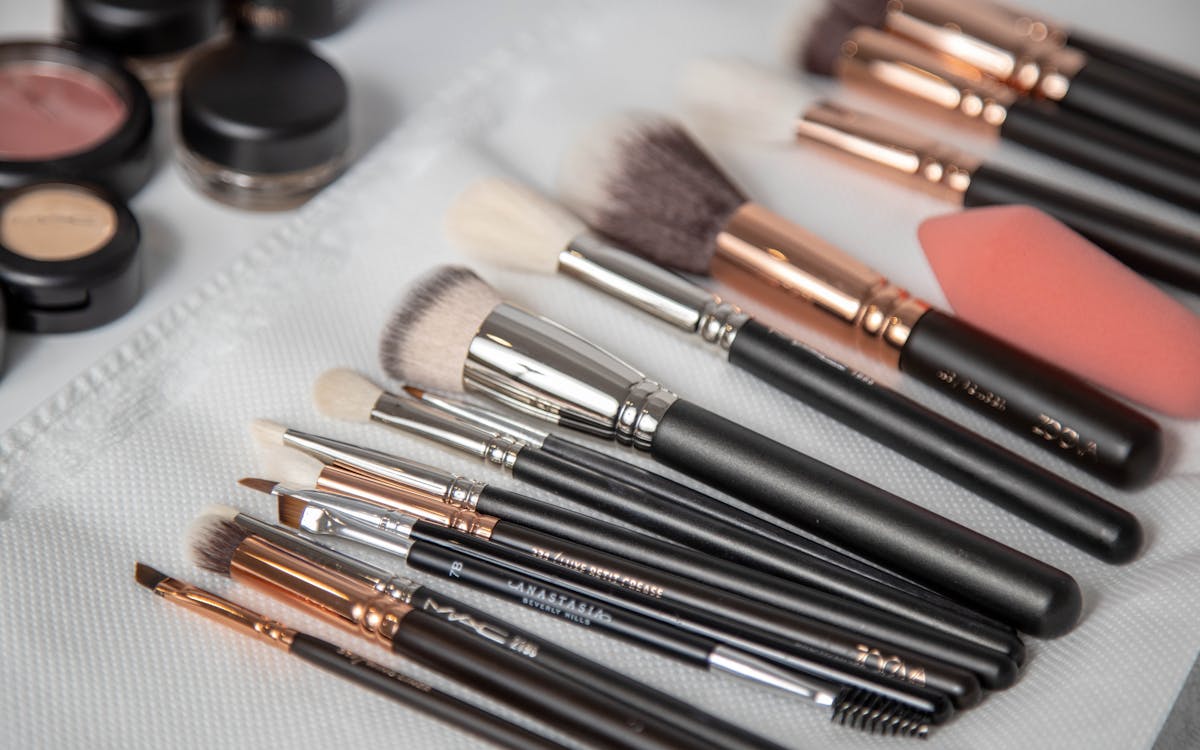
Makeup and Rhinitis: Choosing Products and Application Tips
For people who notice nasal irritation related to cosmetics, small product and technique choices can make a difference. This article reviews common triggers, selection strategies, and practical application and removal tips in an educational, non-prescriptive way.
Photo by Boris Hamer on Pexels
Cosmetics can contain fragrances, solvents, preservatives, and fine powders that some people with rhinitis find irritating. Airborne particles from loose powders or aerosol sprays and strong perfume notes in products may be noticed more when the nose is sensitive. Understanding which product types and formats tend to produce fewer airborne particles can be a useful first step.
When choosing products, many people look for fragrance-free or low-fragrance options and simpler ingredient lists. Creams, sticks, or pressed powders generally release fewer particles into the air than loose powders or aerosolized products. Marketing terms like "hypoallergenic" or "dermatologist-tested" are often used on packaging; some people find it helpful to patch-test a new product on the skin before regular use.
Application technique can affect exposure. Applying makeup with steady, downward strokes and tapping off excess product from brushes or sponges can reduce the amount of powder that becomes airborne. Holding sprays and mists away from the face or opting out of aerosol products may also reduce inhalation of fine droplets for those who notice a sensitivity.
Keeping tools clean and avoiding shared testers are common hygiene habits that can limit irritants and contaminants. Regularly washing brushes and replacing sponges, and using single-use applicators in public settings, are practical steps people often take. Gentle makeup removers that lift product without vigorous rubbing can help minimize irritation during cleansing routines.
For everyday convenience, some people carry travel-sized removers, blotting papers, or pressed powders for quick touch-ups that are less likely to disperse particles. If a particular product seems to coincide with increased nasal sensitivity, many find it useful to stop using that item and try an alternative to see if symptoms change. These suggestions are informational and intended to help you weigh options rather than to diagnose or treat rhinitis.
Daily articles
Subscribe for daily reads and jump into the latest article now.
Receive RhinitisRank articles by text message and email each day, then head straight to the article library whenever you want a deeper read.

Fresh reading
Educational reads for flare-ups, patterns, and next steps.
Related reading
More articles in this topic cluster
Continue with nearby rhinitis questions, symptom patterns, and follow-up reading.
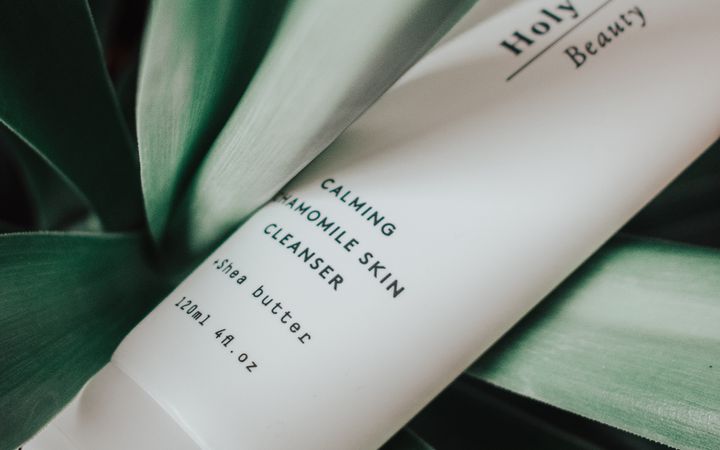
Choosing Makeup and Skincare to Reduce Rhinitis Irritation
Select fragrance-free products, adjust how you apply cosmetics, and prepare simple on-the-go options to make daily grooming more comfortable for people with rhinitis.

Clothing, Laundry, and Rhinitis: Fabric and Fragrance Considerations
What you wear and how you launder it can affect nasal comfort. This article explains fabric types, laundry products, and simple handling tips that people with rhinitis often consider.
Nighttime Rhinitis: Routines for Better Sleep Comfort
Small changes to evening routines and sleep surroundings may ease nighttime rhinitis symptoms. Notes on tracking patterns and preparing questions for a clinician visit.
Archive
Back to the article hub
Browse more RhinitisRank articles and long-tail education pages.
OpenPractical tools
Move into practical resources
Open tools like the trigger diary, checklists, and visit-prep resources.
OpenQuick assessment
Take the rhinitis quiz
Turn symptoms into a clearer starting point before your next appointment.
Open