

Laundry and Rhinitis: Managing Triggers in Washing and Drying
Small choices in washing, drying, and storing clothes can influence nasal comfort. This article outlines practical options to reduce common laundry-related irritants.
In brief
Learn how fabric choices, detergents, drying methods, and storage can affect rhinitis symptoms and make laundry tasks more manageable.
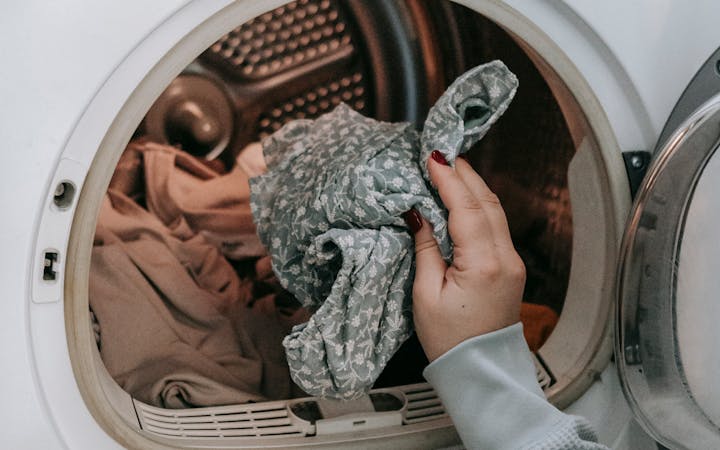
Photo by cottonbro studio on Pexels
Laundry routines can be a hidden source of nasal irritation for people with rhinitis. Fibers, residual detergent, and damp storage environments all interact with indoor air and can influence comfort. Understanding common factors gives more options when deciding how to handle clothing and linens.
Fabric choice and weave may affect how dust and particles cling to clothes. Natural fibers and tightly woven fabrics behave differently than loose knits when it comes to trapping dust and pollen. Considering fabric performance alongside personal preference can help with selecting items for bedding, daily wear, or sensitive-skin garments.
Detergent type and rinsing habits are another area to watch. Some people notice that strong scents, brighteners, or leftover soap on garments relate to increased nasal awareness. Extra rinse cycles or milder formulas are approaches some people use to reduce residues, while others focus on product labels or unscented options.
Drying and storage methods influence moisture and dust accumulation. Machine drying can help reduce moisture quickly, while thorough airing and storing completely dry items may limit musty odors. Closed storage or breathable containers each have trade-offs for ventilation and dust protection depending on home conditions.
Handling dusty items or infrequently worn clothes can matter during laundry tasks. Brushing off visible dust before bringing items inside, handling storage boxes gently, and washing bedding on a predictable schedule are examples of practical habits people use. If laundry chores provoke noticeable nasal symptoms, breaking tasks into shorter sessions or asking for help can make them easier to manage.
Daily articles
Subscribe for daily reads and jump into the latest article now.
Receive RhinitisRank articles by text message and email each day, then head straight to the article library whenever you want a deeper read.

Fresh reading
Educational reads for flare-ups, patterns, and next steps.
Related reading
More articles in this topic cluster
Continue with nearby rhinitis questions, symptom patterns, and follow-up reading.
Choosing Clothes and Fabrics When You Have Rhinitis
What you wear and how you care for clothing can influence nasal comfort. This article explores fabrics, laundry choices, and simple habits that some people with rhinitis find helpful to consider.

Nighttime Strategies for Rhinitis: Sleep, Triggers, Comfort
Small changes to an evening routine, air care, and bedding can make nights more comfortable for people with rhinitis. Try a few adjustments to find what helps.

Exercising with Rhinitis: Planning Workouts and Air Care
Choosing workout times, routes, and warm-ups can make exercise more comfortable when you have rhinitis. Find simple planning ideas and on-the-go strategies.
Archive
Back to the article hub
Browse more RhinitisRank articles and long-tail education pages.
OpenPractical tools
Move into practical resources
Open tools like the trigger diary, checklists, and visit-prep resources.
OpenQuick assessment
Take the rhinitis quiz
Turn symptoms into a clearer starting point before your next appointment.
Open