
Improving Indoor Air for Rhinitis Comfort and Control
Indoor air quality can influence how rhinitis feels day to day. Practical, general steps and simple devices may help reduce common indoor triggers and improve comfort.
Many people with rhinitis notice changes in symptoms when indoor air is dry, dusty, or contains odors and particles. Recognizing that air quality is one possible factor can help guide simple household choices without implying a medical solution.
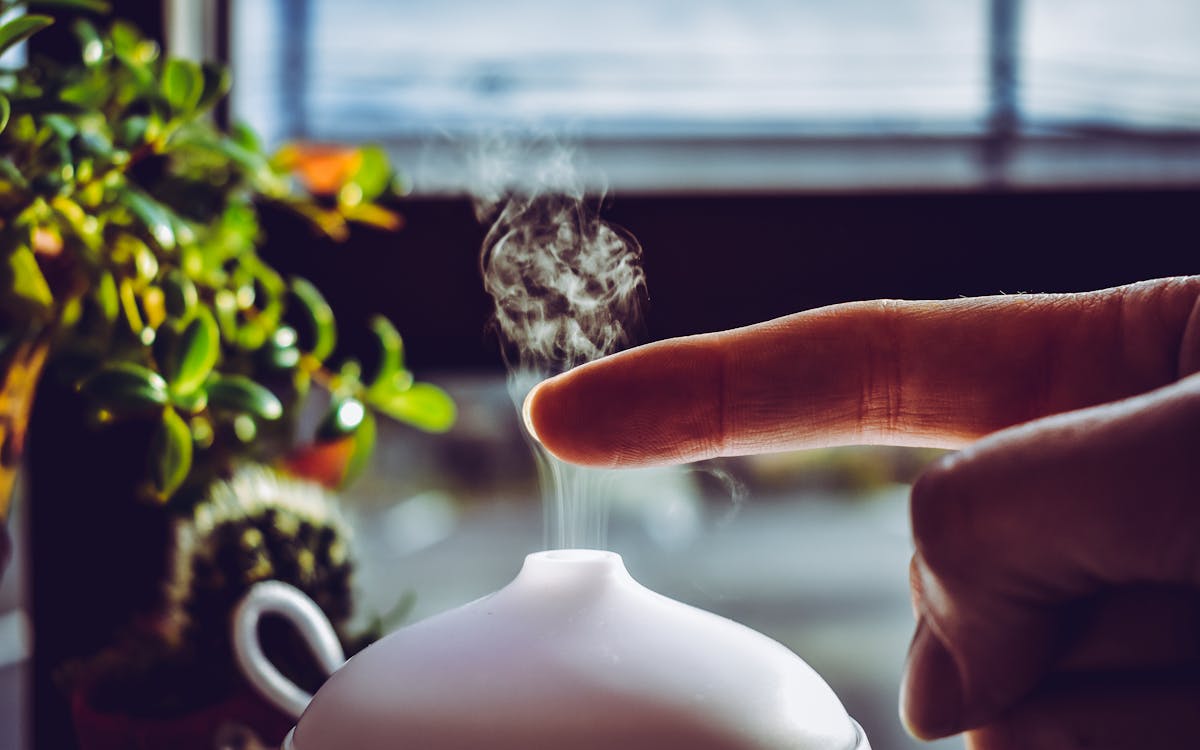
Air-cleaning devices such as HEPA air purifiers may reduce visible dust and airborne particles in a room, while ventilating spaces can lower the concentration of indoor pollutants. Filters and units vary by size and design, so thinking about room coverage and routine maintenance is useful when considering these devices.
Humidity also matters: overly dry air can irritate nasal passages, and overly damp environments can encourage mold and dust mites. Humidifiers and dehumidifiers can change indoor moisture levels, so monitoring relative humidity and keeping devices clean tends to be more important than chasing a specific number.
Everyday habits can complement device use: reducing the use of scented cleaners and aerosol sprays, airing out rooms when outdoor air is acceptable, and regular dusting and vacuuming with a HEPA-equipped vacuum may lower trigger exposure. Washing bedding on a regular schedule and addressing visible mold or leaks are practical steps that many find helpful.
When exploring indoor air changes, weighing costs, noise, and maintenance needs helps find sustainable options for daily life. If air quality concerns are closely tied to symptoms, discussing observations with a healthcare or indoor-environment professional can support informed choices without replacing personalized medical advice.
Daily articles
Subscribe for daily reads and jump into the latest article now.
Receive RhinitisRank articles by text message and email each day, then head straight to the article library whenever you want a deeper read.

Fresh reading
Educational reads for flare-ups, patterns, and next steps.
Related reading
More articles in this topic cluster
Continue with nearby rhinitis questions, symptom patterns, and follow-up reading.

Preparing for a Rhinitis Appointment: What to Bring
Organize symptom notes, a medication list, and a few clear questions to bring to your rhinitis appointment. Small preparations can help your visit run more smoothly.

Managing Rhinitis in Open Offices: Comfort Strategies
Shared offices bring common irritants like HVAC airflow, scents, and dust. Learn non-prescriptive strategies to reduce discomfort and plan for a more comfortable workday.

Dining Out with Rhinitis: Tips for Comfortable Eating
Dining out can need extra planning when rhinitis affects your comfort. This guide offers practical ideas for navigating restaurants, menus, and social meals.
Archive
Back to the article hub
Browse more RhinitisRank articles and long-tail education pages.
OpenPractical tools
Move into practical resources
Open tools like the trigger diary, checklists, and visit-prep resources.
OpenQuick assessment
Take the rhinitis quiz
Turn symptoms into a clearer starting point before your next appointment.
Open