
How to Prepare for Rhinitis Provider Visits
Organizing your symptoms, history, and questions before a rhinitis appointment can make the visit more focused and helpful. These practical steps help you communicate clearly and get the most from your time with a clinician.
In brief
Simple steps to organize symptoms, medications, and questions before a rhinitis appointment. Tips for tracking history and items to bring to clinic or telehealth.
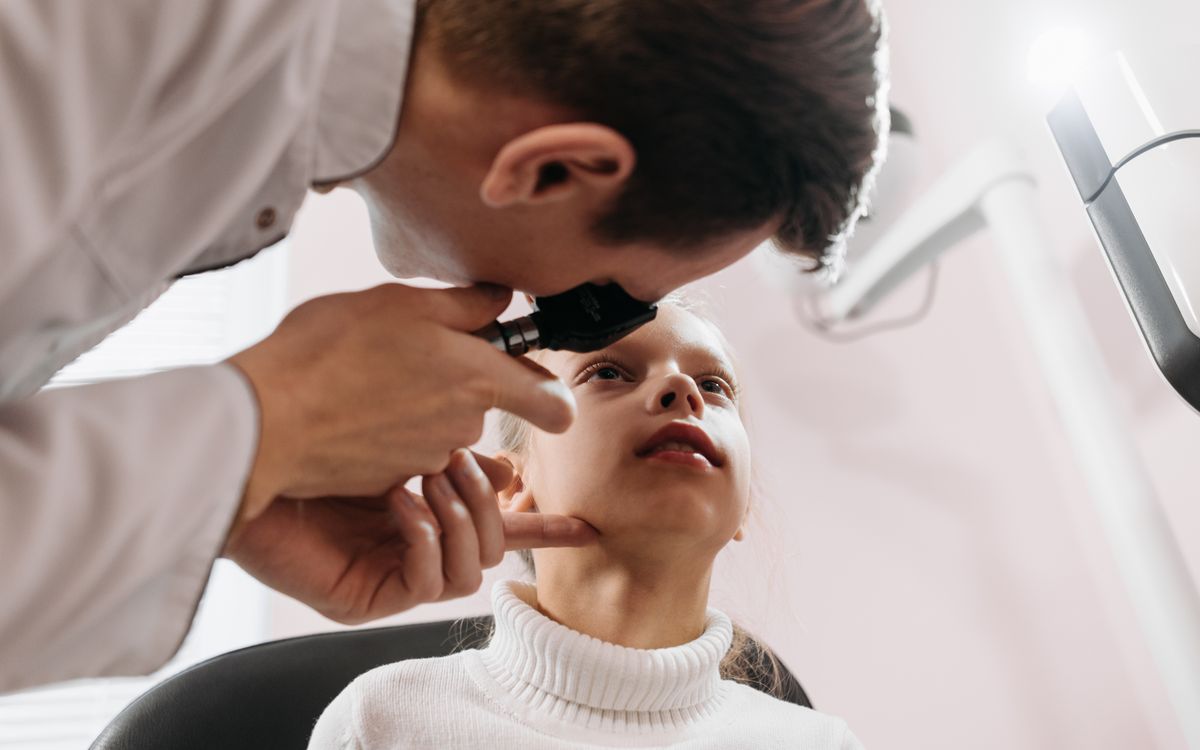
Photo by Pavel Danilyuk on Pexels
A short preparation routine before a rhinitis appointment can help you and the clinician focus on what matters most to you. Gathering a clear symptom timeline, medication list, and your top questions often makes visits feel more efficient and less stressful.
Start by noting when symptoms began, how often they occur, and what seems to trigger or relieve them. A brief symptom diary or a few dated examples can be especially useful; photos or short voice notes describing visible symptoms or troublesome environments may also help illustrate your experience.
Bring a list of current and recent medications, including over‑the‑counter remedies, nasal sprays, supplements, and the approximate doses and timing you use. It can be helpful to include past treatments or any diagnoses you’ve received, so you can recount what you tried before and what changed.
Think through and write down your top goals and questions: what you most want to understand or address during the visit. Prioritizing two or three items makes it easier to cover the essentials within a limited appointment time and helps guide follow‑up conversations.
Consider practical details too: bring any relevant paperwork, insurance information, and a pen for notes. For telehealth visits, choose a quiet, well‑lit spot and have your symptom notes and medication list nearby. These small steps can make a rhinitis visit run more smoothly and help you communicate your concerns clearly.
Daily articles
Subscribe for daily reads and jump into the latest article now.
Receive RhinitisRank articles by text message and email each day, then head straight to the article library whenever you want a deeper read.

Fresh reading
Educational reads for flare-ups, patterns, and next steps.
Related reading
More articles in this topic cluster
Continue with nearby rhinitis questions, symptom patterns, and follow-up reading.

Preparing Symptom Notes for Rhinitis Appointments
A compact symptom record can help you describe patterns, triggers, and what’s changed over time. Bring it to the visit or share it ahead to support clearer conversations.

Preparing for an ENT Visit About Chronic Rhinitis
Collect symptom notes, a medication list, and a few focused questions to bring to your rhinitis clinic appointment. Small steps can help the conversation go faster and clearer.

What to Bring to a Rhinitis Clinic Visit
A short checklist and tracking tips to help you organize information before a rhinitis appointment. Clear notes can make clinic time more focused and useful.
Archive
Back to the article hub
Browse more RhinitisRank articles and long-tail education pages.
OpenPractical tools
Move into practical resources
Open tools like the trigger diary, checklists, and visit-prep resources.
OpenQuick assessment
Take the rhinitis quiz
Turn symptoms into a clearer starting point before your next appointment.
Open