
Gardening with Rhinitis: Reducing Outdoor Irritation Risks
Many people with rhinitis enjoy gardening but encounter sniffles, congestion, or itchy eyes. This article offers general, non-prescriptive ideas to make gardening more comfortable and manageable.
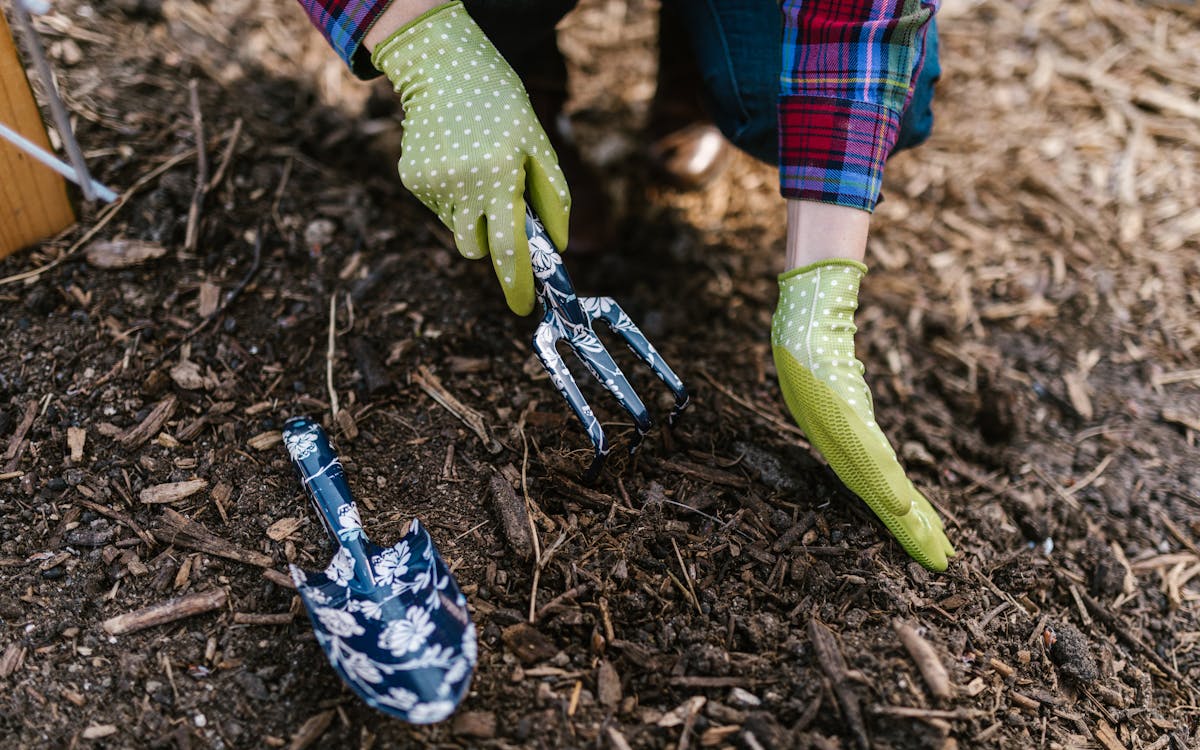
Photo by RDNE Stock project on Pexels
Gardening exposes you to common triggers such as pollen, soil dust, compost spores, and plant irritants. These airborne and contact exposures can lead to familiar rhinitis sensations for some people, so recognizing typical sources in the garden can help when planning activities.
Timing and conditions matter for many gardeners. Some people find that working when winds are calmer or after a light rain reduces airborne pollen and dust; others prefer shorter sessions spread through the week to limit prolonged exposure. Wearing simple protective items like covered shoes, gloves, and eye protection can reduce direct contact with irritants.
How you handle soil and plant material can affect comfort. Lightly misting work areas before digging, using mulches or ground cover to cut dust, and choosing compact containers or raised beds to limit bending and stirring up soil are practical options people report as helpful. Avoiding power blowers or dry raking, when possible, may also reduce airborne particles.
Post-gardening routines may reduce lingering symptoms for some people. Changing out of outdoor clothes, washing hands and face, and rinsing the nose or face with water or a saline option people already use can remove settled pollen and soil particles. Carrying personal comfort items you rely on — tissues, water, or other non-prescription supplies — can make transitions easier.
Plant choices and layout affect exposure over time. Many gardeners select lower-pollen species, barrier plantings, or potted herbs placed close to paths to enjoy plants with less disturbance. For persistent or severe symptoms, seeking individualized advice from a healthcare professional or an ENT specialist can help explore tailored strategies and next steps.
Daily articles
Subscribe for daily reads and jump into the latest article now.
Receive RhinitisRank articles by text message and email each day, then head straight to the article library whenever you want a deeper read.

Fresh reading
Educational reads for flare-ups, patterns, and next steps.
Related reading
More articles in this topic cluster
Continue with nearby rhinitis questions, symptom patterns, and follow-up reading.

Preparing for a Rhinitis Appointment: What to Bring
Organize symptom notes, a medication list, and a few clear questions to bring to your rhinitis appointment. Small preparations can help your visit run more smoothly.

Managing Rhinitis in Open Offices: Comfort Strategies
Shared offices bring common irritants like HVAC airflow, scents, and dust. Learn non-prescriptive strategies to reduce discomfort and plan for a more comfortable workday.

Dining Out with Rhinitis: Tips for Comfortable Eating
Dining out can need extra planning when rhinitis affects your comfort. This guide offers practical ideas for navigating restaurants, menus, and social meals.
Archive
Back to the article hub
Browse more RhinitisRank articles and long-tail education pages.
OpenPractical tools
Move into practical resources
Open tools like the trigger diary, checklists, and visit-prep resources.
OpenQuick assessment
Take the rhinitis quiz
Turn symptoms into a clearer starting point before your next appointment.
Open