

Flying with Rhinitis: Practical Tips for Air Travel
Air travel can expose the nose to dry air, recycled cabin air, and unfamiliar scents that may worsen rhinitis symptoms. This article offers cautious, general guidance for planning and managing common in-flight triggers.
In brief
Going on a flight? Find general, non-prescriptive tips for packing nasal-care items, staying hydrated, and reducing exposure to cabin triggers.
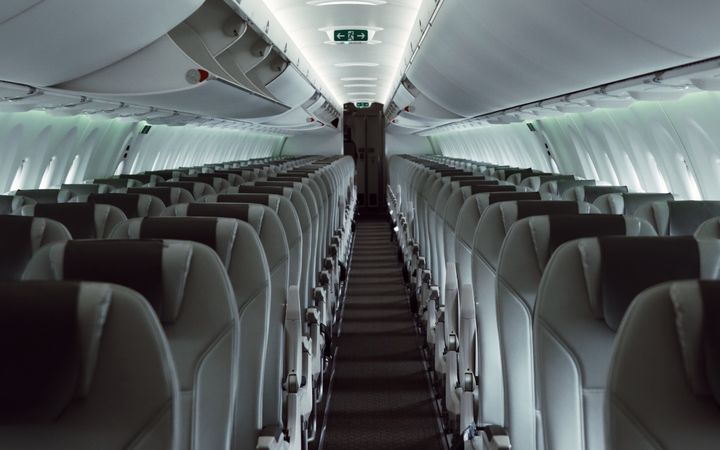
Photo by dongfang xiaowu on Pexels
Airplanes present a mix of factors that can affect rhinitis: lower cabin humidity, recirculated air, cleaning products, and scents from fellow passengers. These environmental differences may make symptoms more noticeable for some people. This piece offers general information and planning ideas rather than medical advice.
Before you go, pack a small travel kit with items that tend to help people manage nasal comfort: soft tissues, travel-size saline or nasal-mist options, and any routine over-the-counter products you normally use. Keep liquids and sprays in carry-on-friendly containers and check airline security guidelines in advance. A spare change of clothes or an extra set of supplies in your carry-on can help with unexpected delays.
During the flight, staying hydrated and limiting exposure to alcohol and excessive caffeine may help with perceived nasal dryness. Using saline sprays or rinses can be a non-medical way some people use to moisten nasal passages; if you already use a prescribed product, follow the instructions from your healthcare provider. Simple actions—like gently wiping tray tables and armrests with a fragrance-free wipe—can reduce contact with residues that might irritate some noses.
Seat choice and behavior can also matter for comfort. An aisle seat can make it easier to move and access the lavatory, while a window seat may reduce foot-traffic exposure; weigh what matters most for you. Wearing a well-fitting face covering can reduce exposure to airborne irritants and strong scents for some travelers, but personal comfort and airline policies vary.
After you land, allow time to recover from travel-related changes in humidity and routine. If you notice persistent or worsening symptoms after travel, consider reaching out to a healthcare professional for an individualized conversation. For routine trips, keeping a small, portable care kit and planning ahead can make flying with rhinitis more predictable and manageable.
Daily articles
Subscribe for daily reads and jump into the latest article now.
Receive RhinitisRank articles by text message and email each day, then head straight to the article library whenever you want a deeper read.

Fresh reading
Educational reads for flare-ups, patterns, and next steps.
Related reading
More articles in this topic cluster
Continue with nearby rhinitis questions, symptom patterns, and follow-up reading.

Managing Rhinitis When Flying: Airport and In-Flight Tips
Small planning steps and simple in-flight habits can help reduce nasal irritation while traveling by plane. Learn practical ideas for the airport, cabin, and recovery after landing.

Flying with Rhinitis: Practical In-Flight Comfort Tips
Non-prescriptive ideas for managing rhinitis on planes, from packing and seat choices to simple in-flight routines that may reduce discomfort.
Flying with Rhinitis: In-Flight Comfort and Planning
Prepare for flights by choosing seats, packing nasal-care items, and using simple in-flight habits that many people with rhinitis find helpful.
Archive
Back to the article hub
Browse more RhinitisRank articles and long-tail education pages.
OpenPractical tools
Move into practical resources
Open tools like the trigger diary, checklists, and visit-prep resources.
OpenQuick assessment
Take the rhinitis quiz
Turn symptoms into a clearer starting point before your next appointment.
Open