
Flying with Rhinitis: Cabin Air, Seating, and Comfort
Air travel changes the indoor environment in ways that can affect nasal comfort. This guide offers cautious, practical ideas to consider when planning and boarding flights.
In brief
Learn non-prescriptive strategies to reduce nasal discomfort on flights — from cabin air and seating choices to packing and in-flight routines.
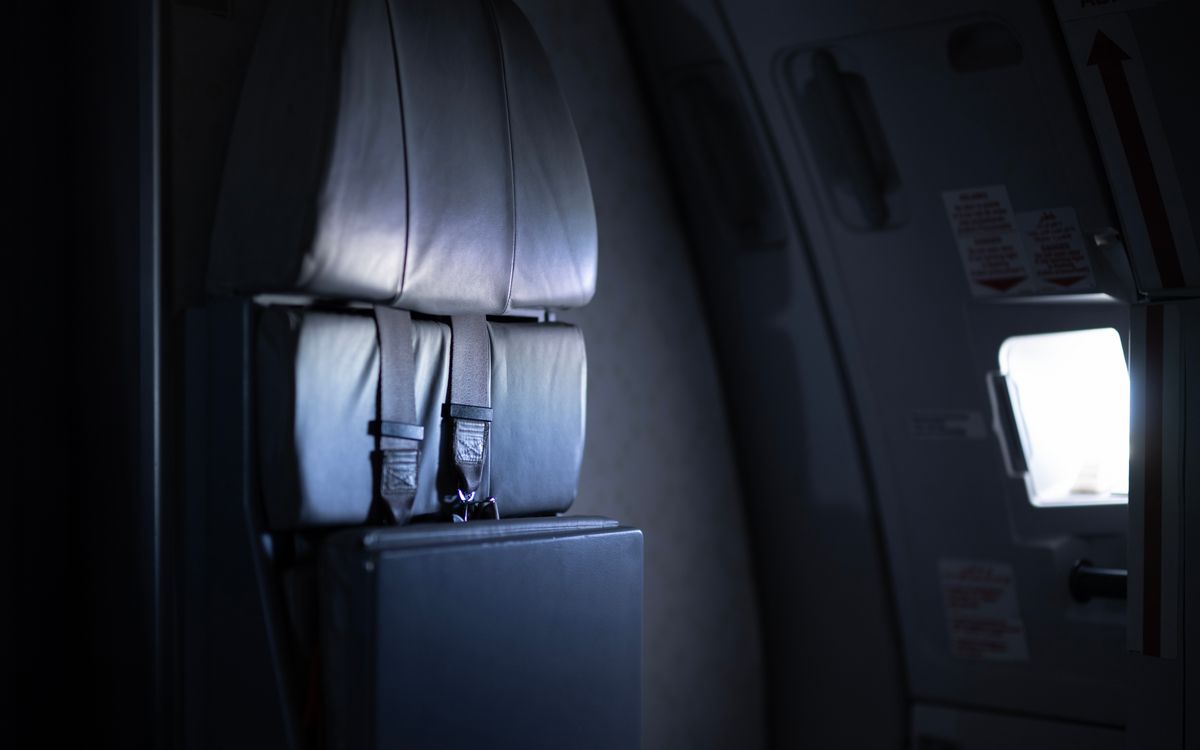
Photo by Miguel Cuenca on Pexels
Airplanes create a distinct indoor environment: lower humidity, recycled air, and close quarters. People with rhinitis may notice changes in nasal comfort, sensitivity to scents, or increased throat dryness during and after flights. Understanding these common differences can help with practical planning without suggesting medical treatment.
Hydration and local moisture are often the first things travelers consider. Some travelers find sipping water regularly, using a saline nasal spray or rinse, or briefly applying a warm compress to the face can make the cabin feel less drying; if you try over-the-counter products, following product instructions and any provider guidance is sensible. A small, travel-sized humidifying or moisturizing approach may be helpful to some people, while others prefer minimal interventions.
Face coverings can change exposure to cabin air and airborne irritants, and some people report they reduce sensitivity to strong scents or dust. Choosing a well-fitting mask or having disposable options on hand may feel comforting for those who use them, though airline policies and comfort should guide choices. Keeping a few extras in your carry-on is a simple way to be prepared for varying conditions.
Seat selection and personal airflow preferences matter for many travelers. Overhead vents provide direct airflow that some people find drying, while others welcome the circulation; selecting a seat that matches your comfort — aisle or window, closer to the front or back — may make a difference. Packing a small kit with tissues, lip balm, and easily accessible items you typically use can help you manage unexpected discomfort during a flight.
Before you travel, consider how timing, layovers, and airport waiting areas might affect nasal comfort and plan accordingly. Keep essential items in your carry-on and be aware of airline liquid and security rules for any sprays or travel-sized products. If you have questions about long-term management or product use related to rhinitis, a conversation with your healthcare provider can clarify what’s appropriate for you.
Daily articles
Subscribe for daily reads and jump into the latest article now.
Receive RhinitisRank articles by text message and email each day, then head straight to the article library whenever you want a deeper read.

Fresh reading
Educational reads for flare-ups, patterns, and next steps.
Related reading
More articles in this topic cluster
Continue with nearby rhinitis questions, symptom patterns, and follow-up reading.

Practical Air Travel Strategies for Rhinitis Travelers
A concise guide to managing rhinitis while flying. Simple packing and in-flight ideas to consider before and during your trip.

Air Travel and Rhinitis: Comfort Tips for Flying and Airports
Planning ahead and a small travel kit can make air travel easier if you have rhinitis. Learn non-prescriptive tips for airports and cabin travel.

Flying with Rhinitis: Comfort Strategies for Air Travel
Practical, non-medical tips for managing nasal comfort while flying—packing ideas, in-flight habits, and ways to reduce common triggers on planes.
Archive
Back to the article hub
Browse more RhinitisRank articles and long-tail education pages.
OpenPractical tools
Move into practical resources
Open tools like the trigger diary, checklists, and visit-prep resources.
OpenQuick assessment
Take the rhinitis quiz
Turn symptoms into a clearer starting point before your next appointment.
Open