
Exercising with Rhinitis: Strategies for Comfortable Workouts
Practical approaches to keep movement comfortable when rhinitis is part of your routine. Learn about environment choices, pacing, and simple nasal care that can help during workouts.
In brief
Practical pointers for planning workouts when rhinitis symptoms affect exercise. Tips cover choosing locations, warming up, breathing approaches, and basic nasal care.
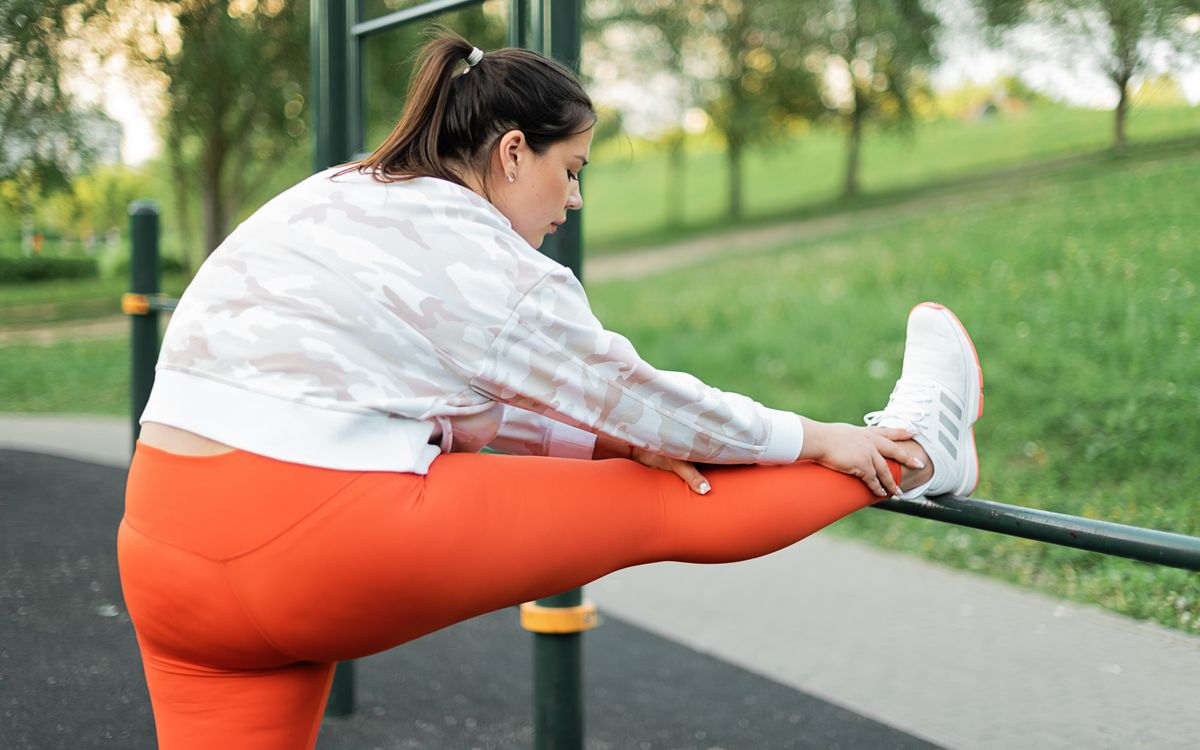
Photo by Mikhail Nilov on Pexels
Many people with rhinitis notice their nose and sinuses react differently during exercise. Symptoms can include congestion, runniness, or sneezing, and the pattern often varies with activity type and environment. This article reviews practical, non-prescriptive ideas to help you plan workouts that feel better.
Where you exercise can matter. Indoor venues with good ventilation and controlled temperature may feel different than outdoor routes with pollen, cold air, or traffic-related irritants. If you exercise outside, try varying times or routes to see what feels best for you.
How you start a session and the intensity you choose may influence comfort. A gradual warm-up and pacing that lets breathing settle can help some people adapt to increased activity. Some find alternating nasal and mouth breathing or modifying effort during peak symptoms makes workouts more manageable.
Basic nasal care before and after activity is another consideration. Simple measures like rinsing with saline or using products people commonly discuss with their healthcare provider are options others report trying; staying hydrated can also support comfortable breathing. If you use any medication or device, it may be helpful to review options with a provider or pharmacist.
Practical gear and planning can reduce interruptions: bring tissues, a small towel, water, and breathable clothing; wipe shared equipment and let staff know about any needs. If rhinitis symptoms consistently limit activity or change suddenly, consider discussing them with a clinician to explore personalized approaches and next steps.
Daily articles
Subscribe for daily reads and jump into the latest article now.
Receive RhinitisRank articles by text message and email each day, then head straight to the article library whenever you want a deeper read.

Fresh reading
Educational reads for flare-ups, patterns, and next steps.
Related reading
More articles in this topic cluster
Continue with nearby rhinitis questions, symptom patterns, and follow-up reading.

Exercising with Rhinitis: Comfort Strategies for Gyms and Outdoors
Learn general approaches that may help reduce discomfort from rhinitis during workouts, from timing and warm-ups to environment choices and simple tools.

Exercising with Rhinitis: Managing Symptoms During Workouts
Simple strategies can help you manage rhinitis-related sniffing, sneezing, or congestion during workouts—whether at the gym or outside.

Exercising with Rhinitis: Comfortable Activity Strategies
Learn environment, timing, clothing, and simple nasal-care approaches that can make exercise more comfortable when you have rhinitis.
Archive
Back to the article hub
Browse more RhinitisRank articles and long-tail education pages.
OpenPractical tools
Move into practical resources
Open tools like the trigger diary, checklists, and visit-prep resources.
OpenQuick assessment
Take the rhinitis quiz
Turn symptoms into a clearer starting point before your next appointment.
Open