

Exercising with Rhinitis: Staying Comfortable During Workouts
Practical information about common exercise-related rhinitis triggers and ways to plan workouts to reduce symptom bother. Learn what to notice and what to discuss with a clinician.
In brief
Explore how workout settings, timing, and simple preparations can affect rhinitis symptoms. Ideas for choosing environments, gear, and what to track before a clinic visit.
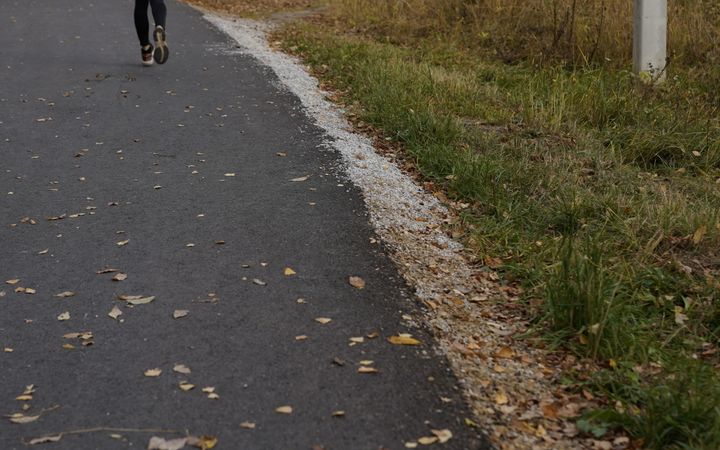
Photo by Julia Larson on Pexels
Many people notice changes in rhinitis symptoms during or after exercise. Increased airflow, humidity changes, cold air, chlorine from pools, dust or fragrances in gyms, and sweat can all influence nasal comfort in different ways.
Choosing the right environment and timing can matter. Some people find outdoor runs on clear, low-pollen days feel different than indoor classes in crowded, air-conditioned studios; others prefer well-ventilated gyms or early-morning sessions to avoid crowds and strong cleaning scents.
Warming up and the way you breathe may affect how you feel while exercising. A gradual start, attention to comfortable breathing patterns, and adapting intensity to how your nose responds are common approaches people consider. In cold weather, covering your nose with a scarf or face covering may change how the air feels on inhalation for some individuals.
Think about gear and hygiene that reduce exposure to irritants. Using clean, fragrance-free towels and workout clothes, wiping down shared equipment, and choosing less perfumed personal care products can lower contact with potential triggers. Some people also use saline rinses or over-the-counter nasal products and choose to discuss these options with their clinician to see what’s appropriate for them.
Track symptoms alongside workout details to spot patterns. Note the type of activity, location, time of day, temperature, and any scents or pool exposure so you can share clear information at appointments. If exercise-related symptoms affect your routine or raise concerns, consider mentioning them to your healthcare provider for personalized discussion.
Daily articles
Subscribe for daily reads and jump into the latest article now.
Receive RhinitisRank articles by text message and email each day, then head straight to the article library whenever you want a deeper read.

Fresh reading
Educational reads for flare-ups, patterns, and next steps.
Related reading
More articles in this topic cluster
Continue with nearby rhinitis questions, symptom patterns, and follow-up reading.
Exercising with Rhinitis: Planning Workouts and Air Care
Choosing workout times, routes, and warm-ups can make exercise more comfortable when you have rhinitis. Find simple planning ideas and on-the-go strategies.

Exercise and Rhinitis: Managing Symptoms During Workouts
Adjusting where, when, and how you exercise can help reduce nasal irritation. Observe your responses and try small changes to find what works best for you.

Exercising with Rhinitis: Gym and Outdoor Workout Tips
Gentle strategies for exercising with rhinitis, including choosing ventilated spaces, timing workouts, simple nasal-care steps, and pacing to make activity more comfortable.
Archive
Back to the article hub
Browse more RhinitisRank articles and long-tail education pages.
OpenPractical tools
Move into practical resources
Open tools like the trigger diary, checklists, and visit-prep resources.
OpenQuick assessment
Take the rhinitis quiz
Turn symptoms into a clearer starting point before your next appointment.
Open