

Exercising with Rhinitis: Practical Tips for Workouts
Staying active while managing nasal symptoms often takes a bit of planning. These general strategies can help make different types of workouts more comfortable.
In brief
Adjust timing, warm-ups, and environment to reduce triggers during exercise. Practical ideas for gym, pool, and outdoor workouts.
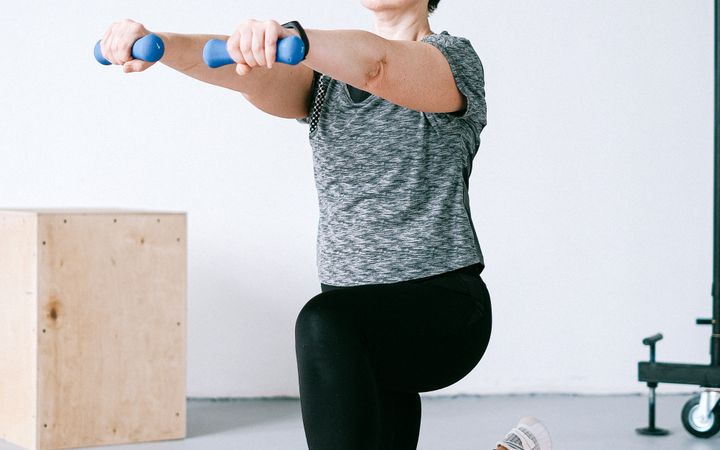
Photo by Mikhail Nilov on Pexels
Many people with rhinitis find that symptoms change with activity, location, and intensity. Paying attention to patterns and planning ahead can make it easier to stay active without surprises. This article offers general, non-prescriptive ideas for different workout settings and routines.
Start sessions with a gradual warm-up and a paced increase in intensity. A slow build can reduce sudden changes in airflow and nasal irritation for some people, and shorter sessions or interval-style workouts may be worth trying to see how symptoms respond.
Environment matters: indoor gyms, pools, and outdoor locations each have different potential triggers like dust, cleaning agents, chlorine, or pollen. Choosing times with lower crowding or better ventilation, checking local air quality and pollen forecasts, and trying alternative locations (for example, an open, ventilated studio instead of a crowded class) are practical considerations.
Clothing and tools can help manage comfort—breathable layers, a headband to control sweat, easy access to tissues or a small towel, and a water bottle for hydration. Some people find rinsing the nose with saline or showering soon after outdoor activity helpful for removing irritants; others adjust how they use face coverings or masks during exercise for comfort.
Keeping a simple log of when symptoms occur, what you were doing, and where you exercised can reveal useful patterns over time. If symptoms consistently interfere with activity, discussing observations with a healthcare professional or specialist can help explore personalized strategies.
Daily articles
Subscribe for daily reads and jump into the latest article now.
Receive RhinitisRank articles by text message and email each day, then head straight to the article library whenever you want a deeper read.

Fresh reading
Educational reads for flare-ups, patterns, and next steps.
Related reading
More articles in this topic cluster
Continue with nearby rhinitis questions, symptom patterns, and follow-up reading.

Exercising with Rhinitis: Comfortable Activity Strategies
Learn environment, timing, clothing, and simple nasal-care approaches that can make exercise more comfortable when you have rhinitis.

Exercising with Rhinitis: Comfort Strategies for Gyms and Outdoors
Learn general approaches that may help reduce discomfort from rhinitis during workouts, from timing and warm-ups to environment choices and simple tools.
Exercising with Rhinitis: Planning Comfortable Workouts
Where, when, and how you exercise can affect nasal comfort. Small planning steps — timing, gear, and pacing — may make workouts easier to manage.
Archive
Back to the article hub
Browse more RhinitisRank articles and long-tail education pages.
OpenPractical tools
Move into practical resources
Open tools like the trigger diary, checklists, and visit-prep resources.
OpenQuick assessment
Take the rhinitis quiz
Turn symptoms into a clearer starting point before your next appointment.
Open