

Exercising with Rhinitis: Practical Tips for Active Days
Keep moving while managing nasal symptoms with simple planning and small adjustments. Learn ways to pick activities, prepare supplies, and adapt environments to stay comfortable.
In brief
Simple strategies for exercising when you have rhinitis — choosing activities, preparing gear and supplies, and handling common triggers around pools, gyms, and outside.
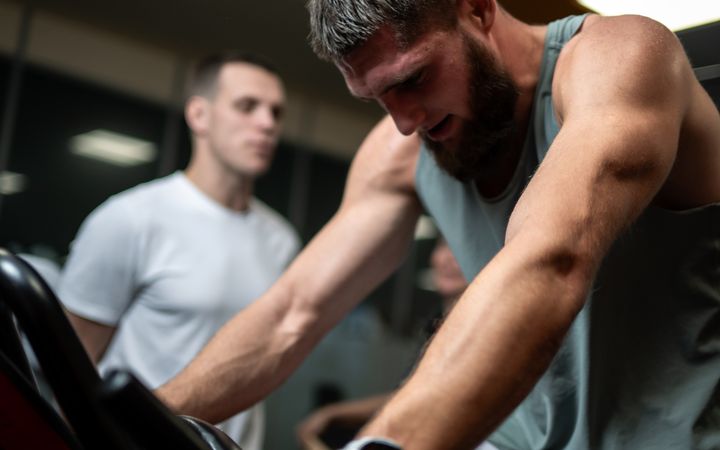
Photo by Pexels LATAM on Pexels
Many people with rhinitis find that exercise can change how their nose feels. Different activities and settings can introduce common triggers such as cold air, pollen, sweat, or pool chlorine, and symptoms can vary from person to person. Understanding which situations affect you most can help you plan more comfortable sessions.
Choosing the right activity and timing can matter. Some people prefer indoor workouts on high-pollen days or lower-intensity sessions when symptoms are stronger, while others do better with short, gradual warm-ups before vigorous effort. Thinking about route, time of day, and intensity may make it easier to stay active.
Gear and environment adjustments can reduce exposure to potential irritants. Breathable layers, a lightweight face covering in cold conditions, or goggles for swimmers are examples of practical options to try. In indoor spaces, good ventilation and avoiding peak crowd times may reduce contact with airborne triggers.
Bring simple supplies so you can adapt while out and about. A small pack might include tissues, a water bottle, a saline rinse or spray if you use one, and an extra layer. Rinsing or changing clothes after outdoor activity can also remove pollen or chlorine that might linger on skin or hair.
Gym and pool etiquette can support comfort for everyone. Wiping equipment, choosing a less crowded time, and being mindful of strong fragranced products in shared areas are commonsense steps to consider. If chlorine or strong cleaners seem to be an issue, exploring different facility options could be helpful.
If rhinitis symptoms are frequently limiting your ability to exercise, keeping a brief activity log can help you spot patterns to discuss with a healthcare provider. Sharing notes about specific triggers, locations, and timing can make conversations about symptom management more focused, without replacing professional guidance.
Daily articles
Subscribe for daily reads and jump into the latest article now.
Receive RhinitisRank articles by text message and email each day, then head straight to the article library whenever you want a deeper read.

Fresh reading
Educational reads for flare-ups, patterns, and next steps.
Related reading
More articles in this topic cluster
Continue with nearby rhinitis questions, symptom patterns, and follow-up reading.

Exercising with Rhinitis: Comfortable Gym and Outdoor Workouts
Simple, practical ways to reduce nasal discomfort during exercise — from choosing where and when to work out to small breathing and post-workout care ideas.

Exercise and Rhinitis: Managing Symptoms During Workouts
Simple strategies to reduce surprise nasal symptoms while staying active. Choose venues, adjust routines, and prepare a small kit for workouts.
Exercising with Rhinitis: Gym and Outdoor Tips
Simple, practical ideas to help you manage rhinitis-related nasal symptoms while exercising — from choosing a workout environment to post-exercise comfort habits.
Archive
Back to the article hub
Browse more RhinitisRank articles and long-tail education pages.
OpenPractical tools
Move into practical resources
Open tools like the trigger diary, checklists, and visit-prep resources.
OpenQuick assessment
Take the rhinitis quiz
Turn symptoms into a clearer starting point before your next appointment.
Open