
Exercising with Rhinitis: Planning Comfortable Workouts
Rhinitis can change how exercise feels and what environments trigger symptoms. This article outlines practical steps to plan workouts that aim to reduce nasal and irritant discomfort.
Regular physical activity is valuable for general wellbeing, but people with rhinitis often notice different sensations during and after exercise. Understanding common triggers and simple planning choices can help you feel more comfortable while staying active.
Increased breathing rate, cold or dry air, and outdoor allergens are frequent triggers during workouts for many people with rhinitis. Sweat, fragrances on clothing or in shared spaces, and changes in temperature can also contribute to nasal irritation for some individuals.
Warm-ups and gradual intensity increases can make breathing transitions gentler, and short cool-downs may help symptoms settle rather than spike suddenly after intense effort. Some people find using a light face covering in cold weather or exercising indoors during high-allergen periods reduces irritation, though experiences vary.
Practical supports include staying well hydrated, having saline rinses or gentle nasal care available if those are already part of your routine, and bringing tissues or a small towel. Choosing breathable, moisture-wicking clothing and avoiding heavily scented products before activity can also reduce sensory triggers.
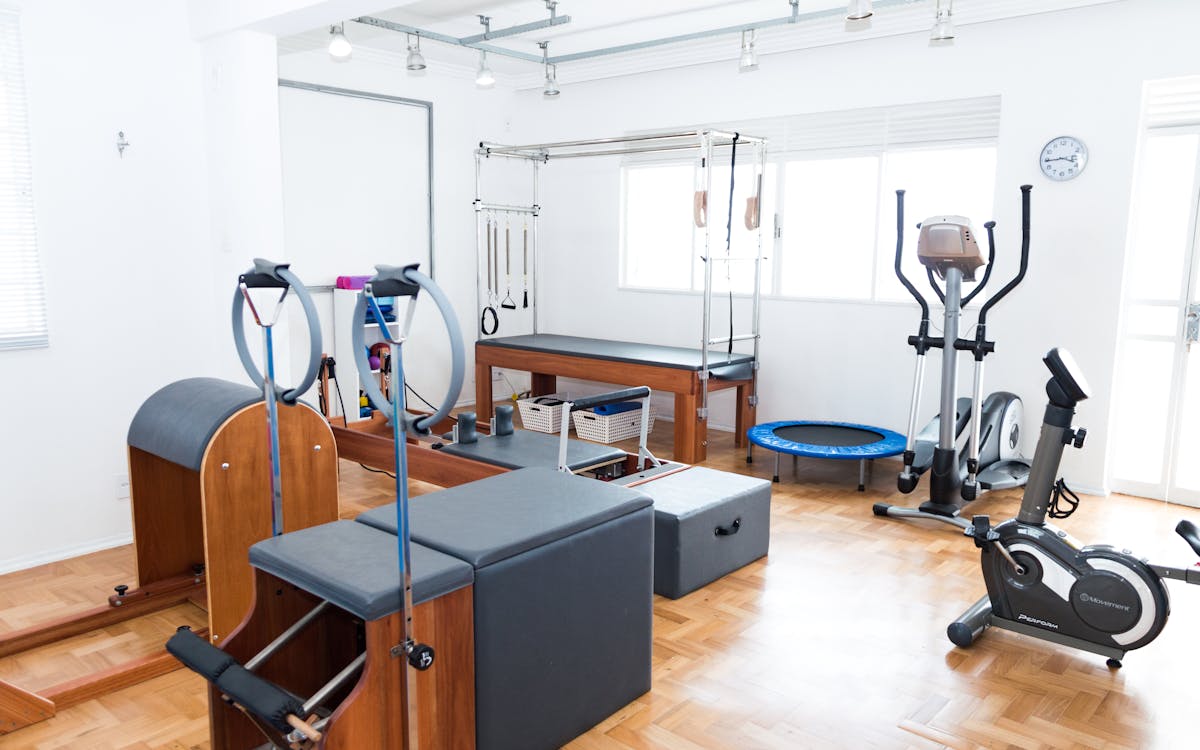
Environment and activity choices matter: indoor gyms, pools, cycling indoors, or treadmill sessions may reduce exposure to outdoor pollen, while trail running and outdoor sports may increase it depending on location and timing. Be aware that indoor spaces can have their own irritants, such as strong cleaning agents or chlorine, which might bother some people.
Keeping a simple log of workouts and symptoms can help identify patterns over time so you can adapt plans and discuss options with instructors or a healthcare professional if needed. Decisions about medications or clinical treatments are best made with a clinician; this article focuses on everyday adjustments to support comfort during exercise.
Daily articles
Subscribe for daily reads and jump into the latest article now.
Receive RhinitisRank articles by text message and email each day, then head straight to the article library whenever you want a deeper read.

Fresh reading
Educational reads for flare-ups, patterns, and next steps.
Related reading
More articles in this topic cluster
Continue with nearby rhinitis questions, symptom patterns, and follow-up reading.

Exercising with Rhinitis: Practical Tips to Stay Active
General tips for choosing environments, warming up, and adapting workouts when rhinitis symptoms are a concern. Practical ideas for safer, more comfortable activity.

Exercising with Rhinitis: Gym and Workout Strategies
A short guide to adjusting workouts and gym habits to reduce nasal irritation during exercise. Includes warm-up ideas, breathing options, and equipment hygiene tips.

Managing Rhinitis During Exercise and Physical Activity
Simple planning and in-session strategies can make exercise more manageable with rhinitis. Learn environment, breathing, and hygiene approaches to try.
Archive
Back to the article hub
Browse more RhinitisRank articles and long-tail education pages.
OpenPractical tools
Move into practical resources
Open tools like the trigger diary, checklists, and visit-prep resources.
OpenQuick assessment
Take the rhinitis quiz
Turn symptoms into a clearer starting point before your next appointment.
Open