

Exercise and Rhinitis: Planning Comfortable Workout Routines
Practical ideas to keep movement comfortable when nasal symptoms are a factor. Tips focus on environment, timing, simple routines, and symptom tracking.
In brief
How to think about exercise settings, timing, and simple pre/post steps that can influence comfort during workouts.
Photo by Emanuel Pedro on Pexels
Many people with rhinitis notice that nasal symptoms can change with activity. Physical exertion, shifts in temperature or humidity, airborne particles, and strong pool or cleaning smells can all be relevant in different settings. Individual responses vary, so observing what happens during and after activity can help guide choices.
Choosing where and when to exercise can make a difference for some people. Outdoor running may feel better when pollen counts are lower, while indoor gyms can vary in ventilation and cleaning products; indoor pools introduce chlorine and related odors. Trying different locations and times of day can help identify what feels most comfortable.
Simple pre- and post-workout habits are commonly used to manage symptoms around exercise. Some people find a gentle warm-up and cool-down helpful, and rinsing nasal passages or having tissues on hand can be useful for dealing with temporary symptoms. Hydration and breathable clothing are general comfort measures that many people prefer.
Small practical changes to gear and routines may reduce exposure to common irritants. Sunglasses or sport glasses can limit airborne particles reaching the eyes, and bringing your own mat or towel can reduce contact with shared surfaces. For those who are sensitive to smells, selecting less-crowded areas or checking a facility’s cleaning routines may matter.
Keeping a brief log of the environment, intensity, and symptoms after workouts can help spot patterns over time. If symptoms consistently affect activity or cause concern, it may be useful to bring observations to a health professional for discussion. This article is informational and not a substitute for individualized medical advice.
Daily articles
Subscribe for daily reads and jump into the latest article now.
Receive RhinitisRank articles by text message and email each day, then head straight to the article library whenever you want a deeper read.

Fresh reading
Educational reads for flare-ups, patterns, and next steps.
Related reading
More articles in this topic cluster
Continue with nearby rhinitis questions, symptom patterns, and follow-up reading.
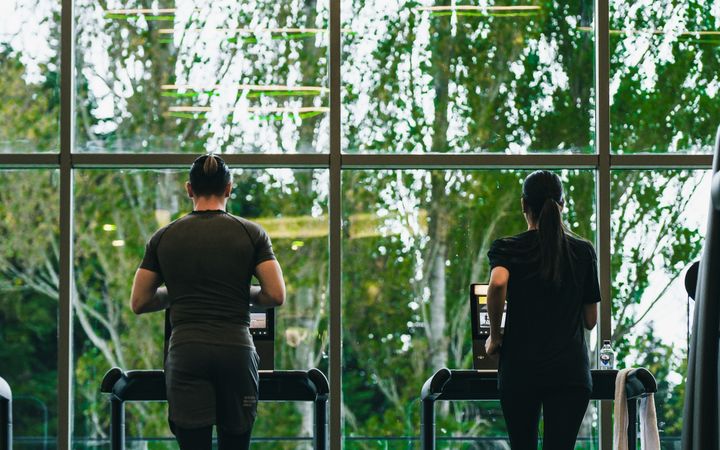
Rhinitis and Exercise: Tips for Comfortable Workouts
Practical, general guidance for exercising with rhinitis — from choosing locations and warm-ups to post-workout routines that often help reduce discomfort.
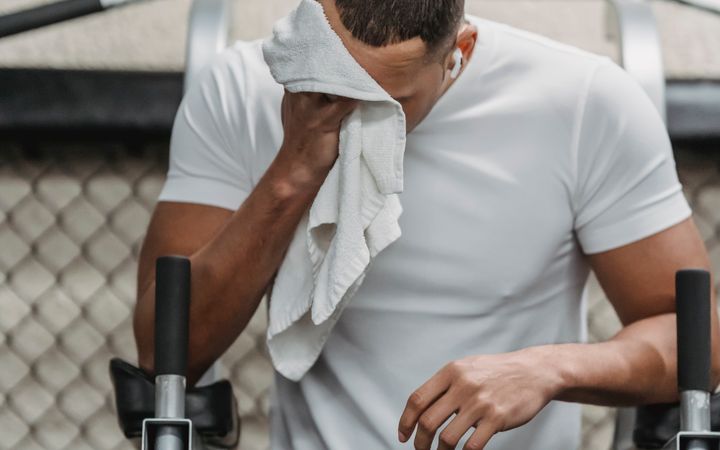
Exercising with Rhinitis: Gym and Workout Strategies
A short guide to adjusting workouts and gym habits to reduce nasal irritation during exercise. Includes warm-up ideas, breathing options, and equipment hygiene tips.

Nighttime Strategies for Rhinitis: Sleep, Triggers, Comfort
Small changes to an evening routine, air care, and bedding can make nights more comfortable for people with rhinitis. Try a few adjustments to find what helps.
Archive
Back to the article hub
Browse more RhinitisRank articles and long-tail education pages.
OpenPractical tools
Move into practical resources
Open tools like the trigger diary, checklists, and visit-prep resources.
OpenQuick assessment
Take the rhinitis quiz
Turn symptoms into a clearer starting point before your next appointment.
Open