

Dining Out with Rhinitis: Tips for Restaurants and Cafés
Eating away from home can bring unexpected rhinitis triggers. Practical, non-prescriptive ideas can help you plan meals and reduce discomfort in restaurants and cafés.
In brief
Learn simple ways to reduce rhinitis triggers when dining out, from choosing seating and menu items to communicating needs with staff and companions.
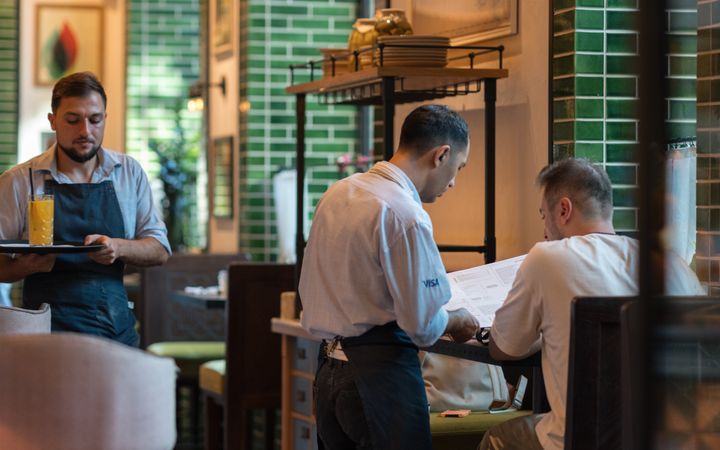
Photo by Đan Thy Nguyễn Mai on Pexels
Dining out can feel different when rhinitis is part of your daily life. Restaurants and cafés concentrate smells, cooking fumes, and crowds — all things that some people find can affect their nasal comfort. This article offers general strategies for planning and managing outings without giving medical advice.
Start with simple planning: pick a time and place that tend to be less crowded, check whether outdoor seating or a patio is available, and review menus for foods you know you tolerate well. Many venues have different ventilation and kitchen layouts; a quick phone call or a note when booking can help you identify quieter or lower-scent areas.
When you arrive, consider seating choices and airflow: being farther from busy kitchen stations or strong scent sources might help reduce exposure to intense aromas. If something in the environment is bothersome, stepping outside briefly for fresh air or shifting to a different seat can be a practical option.
During the meal, small choices can make a difference for comfort: selecting milder or cooler items if very hot or spicy foods affect you, pacing drinks and bites, and taking breaks if needed. Carrying items that personally help you cope — tissues, a travel-size saline product you already use, or water — can make outings feel more manageable.
Talking with staff or dining companions can be straightforward and effective. A brief, polite explanation (for example, noting sensitivity to strong smells) can help when requesting a different table or a low-scent area. Most restaurants are used to minor seating requests and can often accommodate simple preferences.
If dining-related symptoms frequently interfere with social life or daily activities, you might explore broader management options with a healthcare professional. Meanwhile, small adjustments to timing, seating, menu choices, and preparedness can help make eating out more comfortable and predictable.
Daily articles
Subscribe for daily reads and jump into the latest article now.
Receive RhinitisRank articles by text message and email each day, then head straight to the article library whenever you want a deeper read.

Fresh reading
Educational reads for flare-ups, patterns, and next steps.
Related reading
More articles in this topic cluster
Continue with nearby rhinitis questions, symptom patterns, and follow-up reading.

Dining Out with Rhinitis: Tips for Comfortable Eating
Dining out can need extra planning when rhinitis affects your comfort. This guide offers practical ideas for navigating restaurants, menus, and social meals.
Eating Out with Rhinitis: Restaurant Comfort Strategies
Practical guidance for navigating restaurants with rhinitis — from choosing seating and timing to handling strong food smells and talking with staff.

Dining Out with Rhinitis: Practical Restaurant Strategies
Practical tips for managing rhinitis symptoms while dining out, including planning, seating choices, communicating with staff, and simple items to bring along.
Archive
Back to the article hub
Browse more RhinitisRank articles and long-tail education pages.
OpenPractical tools
Move into practical resources
Open tools like the trigger diary, checklists, and visit-prep resources.
OpenQuick assessment
Take the rhinitis quiz
Turn symptoms into a clearer starting point before your next appointment.
Open