

Coping with Rhinitis on Buses, Trains, and Subways
Practical approaches to reduce rhinitis discomfort during public transit commutes. Identify common triggers and simple ways to make travel easier.
In brief
Short, practical ideas to reduce rhinitis discomfort while using buses, trains, or subways — from planning your route to small in-transit comfort measures.
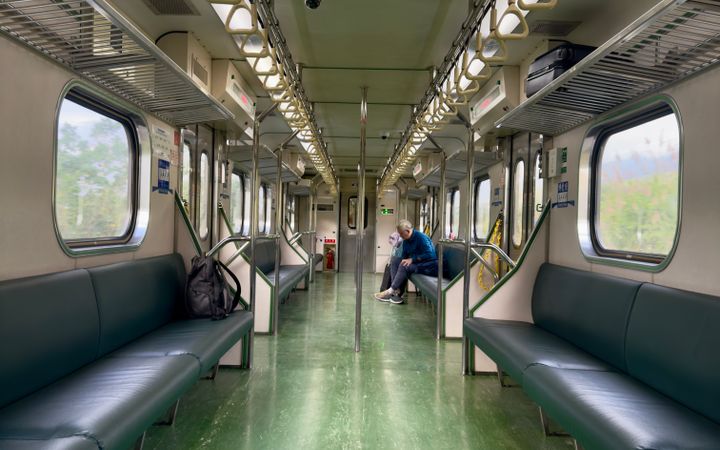
Many people with rhinitis notice symptoms flare up during commutes on buses, trains, or subways. Enclosed spaces, shifting ventilation, and crowds can expose you to a mix of airborne irritants that may be uncomfortable.
Common triggers on public transit include strong fragrances, cleaning agents, dust stirred up from floors, and air-conditioning vents that circulate stale air. Sudden temperature and humidity changes when entering or exiting vehicles can also feel irritating for some people.
Practical in-transit steps can help reduce discomfort: choosing less crowded carriages or standing near doors for fresher air, timing travel outside peak hours, and using a light scarf or a mask to filter inhaled air. Some people find that briefly stepping onto a platform or off a vehicle during stops gives a short break from concentrated scents or dust.
Preparing ahead makes a difference: pack a small comfort kit with tissues, a water bottle, and any non-prescription items you commonly use for symptom relief. If you commute for work, you might consider flexible start times or alternate routes on days when symptoms are worse; discussing options with an employer or colleague may help.
If you notice a clear pattern of worsening symptoms tied to transit, keep a brief log of routes, times, and what you were exposed to to discuss with your healthcare provider. This information can help guide non-prescriptive conversations about managing triggers and planning commutes that are more comfortable for you.
Daily articles
Subscribe for daily reads and jump into the latest article now.
Receive RhinitisRank articles by text message and email each day, then head straight to the article library whenever you want a deeper read.

Fresh reading
Educational reads for flare-ups, patterns, and next steps.
Related reading
More articles in this topic cluster
Continue with nearby rhinitis questions, symptom patterns, and follow-up reading.

Commuting with Rhinitis: Tips for Buses, Trains, and Subways
Simple strategies — from route choices to small items to carry — can make bus, train, and subway commutes easier for people with rhinitis.
Commuting with Rhinitis: Public Transit and Ride Strategies
Crowds, vehicle fumes, and sudden temperature changes are common commuting triggers. This guide reviews simple planning and in-transit strategies to lessen exposure.

Managing Rhinitis on Public Transport and Daily Commutes
Tips for navigating rhinitis triggers during daily bus, train, or subway rides. Small planning steps and comfort items can help during busy commutes.
Archive
Back to the article hub
Browse more RhinitisRank articles and long-tail education pages.
OpenPractical tools
Move into practical resources
Open tools like the trigger diary, checklists, and visit-prep resources.
OpenQuick assessment
Take the rhinitis quiz
Turn symptoms into a clearer starting point before your next appointment.
Open