
Coping with Rhinitis on Buses and Subways
Practical strategies for managing rhinitis on public transit commutes. Simple planning and on-board adjustments can reduce common exposures that may bother the nose and eyes.
In brief
Learn commuter-focused tips for rhinitis on buses, subways and trains — from timing your trips to quick after-commute steps to help you stay comfortable.
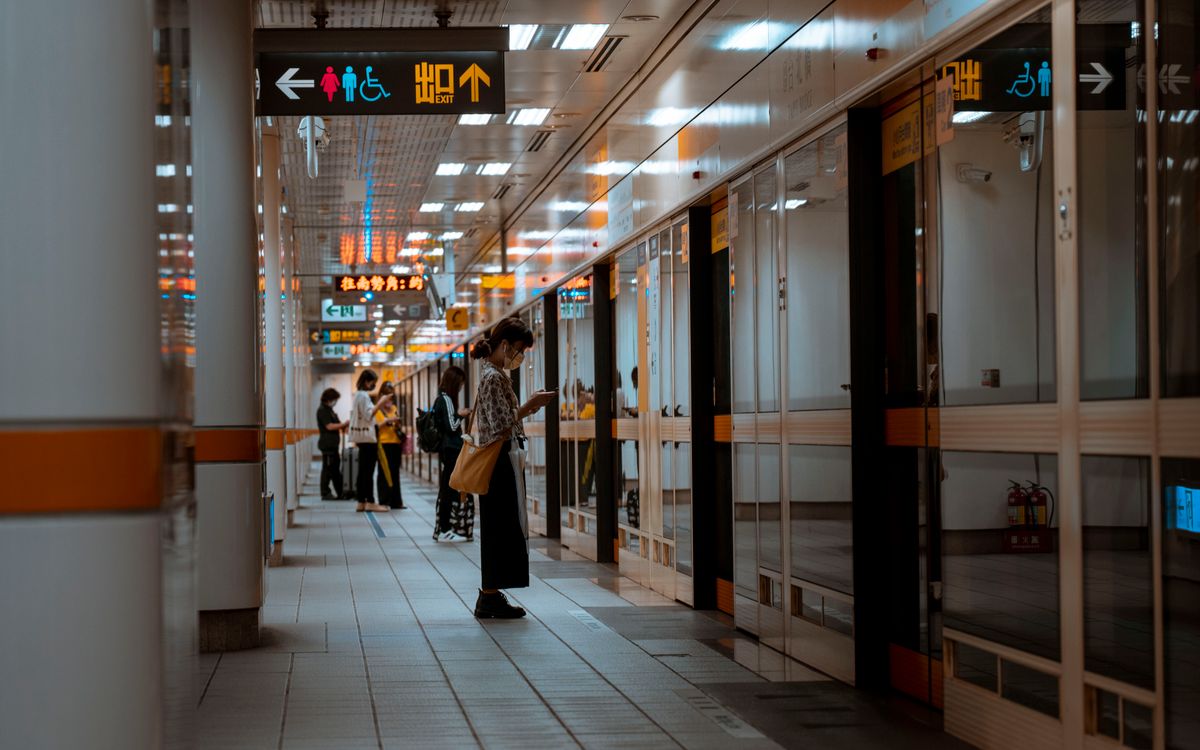
Photo by Jimmy Liao on Pexels
Public transit exposes many people to common rhinitis triggers such as crowds, changing ventilation, food aromas and dust stirred up by foot traffic. Being aware of those patterns before and during a commute can help you reduce how often you encounter strong irritants.
Timing and route choices matter. If possible, travel outside peak hours, pick routes with fewer transfers, or allow extra time so you can board a less-crowded car rather than rushing into a crowded space. Small adjustments to when and how you travel may change your exposure significantly.
On board, seating and positioning can make a difference. Choosing a seat near doors or a less-congested section may offer better airflow and fewer close interactions; avoiding standing near food carts, busy doors or heating vents can reduce contact with strong smells or dust. If windows open on your vehicle, brief fresh-air exposure might feel more comfortable for some people.
Pack a small comfort kit you can keep on your person: tissues, a small bottle of water, an extra scarf or light layer, and a spare face covering if you use one. These items are useful for managing sudden sneezes, watery eyes or temperature shifts without needing clinical options while you’re in transit.
After your commute, brief self-care may help you transition: changing an outer layer if it’s damp or scented, washing your hands and face if convenient, and finding a short quiet moment before a meeting or long day. If symptoms are frequent or disruptive, consider discussing patterns with a healthcare provider to explore longer-term options and tailored strategies.
Daily articles
Subscribe for daily reads and jump into the latest article now.
Receive RhinitisRank articles by text message and email each day, then head straight to the article library whenever you want a deeper read.

Fresh reading
Educational reads for flare-ups, patterns, and next steps.
Related reading
More articles in this topic cluster
Continue with nearby rhinitis questions, symptom patterns, and follow-up reading.

Managing Rhinitis on Public Transit and Rideshares
Using public transit while managing rhinitis can be challenging. This guide offers discreet, general tips for planning trips, selecting seats, and carrying helpful supplies.

Rhinitis on Buses and Trains: Commuter Comfort Tips
Short, practical strategies for traveling by bus, train, or subway with rhinitis. Learn common triggers, simple in-ride steps, and items to pack for comfort.

Commuting with Rhinitis: Strategies for Daily Transit Comfort
Plan transit choices, in-vehicle ventilation, and a compact comfort kit to help manage rhinitis triggers during daily travel. Simple preparations can ease the journey.
Archive
Back to the article hub
Browse more RhinitisRank articles and long-tail education pages.
OpenPractical tools
Move into practical resources
Open tools like the trigger diary, checklists, and visit-prep resources.
OpenQuick assessment
Take the rhinitis quiz
Turn symptoms into a clearer starting point before your next appointment.
Open