
Clothing, Fabrics, and Rhinitis: How What You Wear Matters
Garments, layers, and accessories can influence how nasal symptoms are experienced. Learn how fabrics, fit, and garment care might interact with rhinitis and ways to notice patterns.
For people with rhinitis, the clothes you wear and how you wear them can change nearby sensations and comfort. Fibers that shed, tight collars, and the warmth or humidity trapped near the face are all factors that some people notice when their nasal passages feel different.
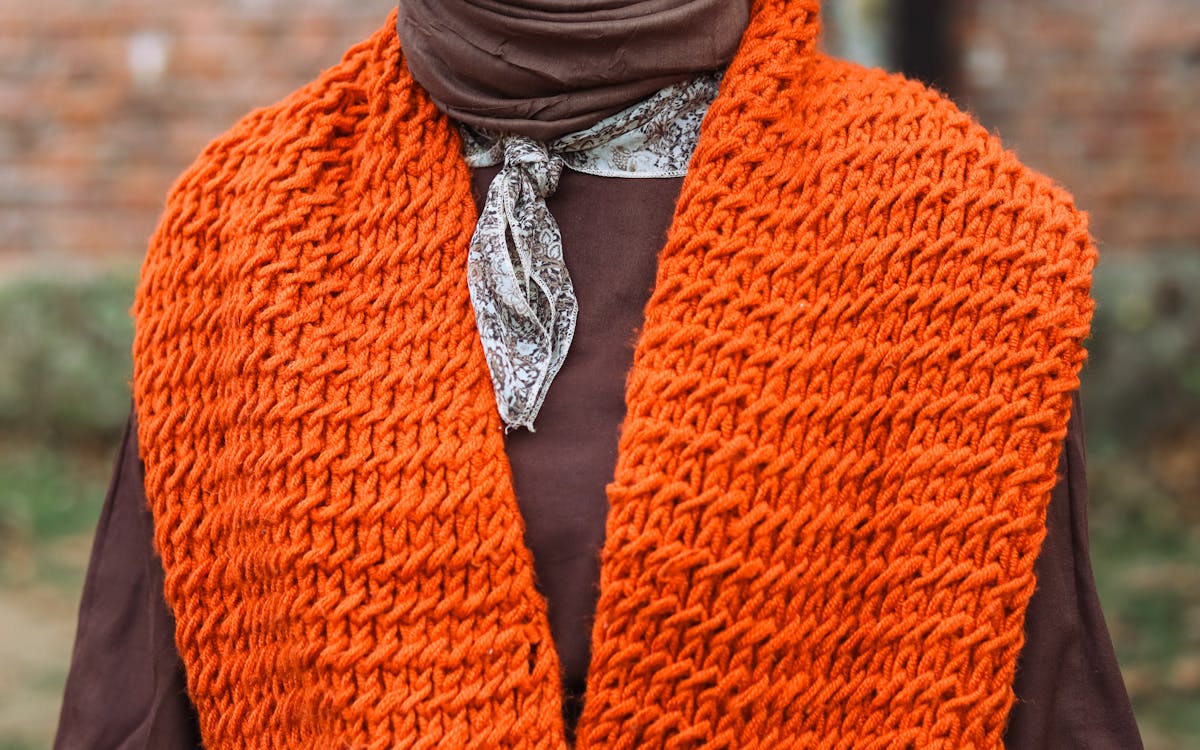
Scarves, hoods, and high collars sit close to the nose and mouth, which can alter airflow and local humidity around the nasal openings. That proximity can also transfer small fibers, dust, or residues from detergents or fabric softeners nearer to the face, and some people report increased awareness of nasal irritation when those items are in direct contact.
Different fabrics have different textures and tendencies to shed or hold particles. Natural fibers like wool can feel itchy for some, while synthetic fleeces and knits can release tiny fibers or create static that picks up dust. Regular laundering, fabric choices, and noticing how new garments affect your breathing comfort are ways people often use to track connections between clothing and symptoms.
Accessories and face interactions play a part too. Frequent adjusting of glasses, touching the bridge of a scarf, or tucking a collar can move material toward the nose or transfer particles from hands to face. Some people find that swapping a brimmed hat, adjusting eyewear fit, or changing how a scarf is worn makes a difference in their day-to-day comfort.
Observing patterns is a useful approach: note which garments or materials seem to coincide with changes in nasal comfort, and try small, reversible changes to see if sensations shift. For ongoing or troubling nasal symptoms, discussing observations with a clinician or allergy specialist can help identify factors and next steps tailored to your situation.
Daily articles
Subscribe for daily reads and jump into the latest article now.
Receive RhinitisRank articles by text message and email each day, then head straight to the article library whenever you want a deeper read.

Fresh reading
Educational reads for flare-ups, patterns, and next steps.
Related reading
More articles in this topic cluster
Continue with nearby rhinitis questions, symptom patterns, and follow-up reading.
Nighttime Rhinitis: Routines for Better Sleep Comfort
Small changes to evening routines and sleep surroundings may ease nighttime rhinitis symptoms. Notes on tracking patterns and preparing questions for a clinician visit.

Exercising with Rhinitis: Planning Comfortable Workouts
Where, when, and how you exercise can affect nasal comfort. Small planning steps — timing, gear, and pacing — may make workouts easier to manage.

Parenting with Rhinitis: Everyday Care and Planning
Tips to help parents balance rhinitis symptoms with daily childcare—packing, outings, routines, and talking with caregivers to reduce surprises and stay comfortable.
Archive
Back to the article hub
Browse more RhinitisRank articles and long-tail education pages.
OpenPractical tools
Move into practical resources
Open tools like the trigger diary, checklists, and visit-prep resources.
OpenQuick assessment
Take the rhinitis quiz
Turn symptoms into a clearer starting point before your next appointment.
Open