

Clothing and Laundry Habits for Rhinitis Relief
Small changes to what you wear and how you wash clothing can reduce everyday irritants that affect rhinitis. Practical, non-medical tips help you manage fabrics, scents, and storage.
In brief
Learn simple clothing and laundry habits that many people with rhinitis use to limit exposure to residues, fragrances, and dust in everyday garments.
Photo by Sarah Chai on Pexels
Clothing and laundry routines can affect how often you encounter airborne or contact irritants linked with rhinitis. Fabrics, finishing chemicals, and trapped dust or pollen can all contribute to discomfort for some people. This article offers practical, non-medical strategies to consider when choosing, washing, and storing garments.
When picking clothes, check fabric labels and think about texture and pile. Some people find lower-pile, breathable fabrics feel less irritating than very fuzzy or heavily textured materials. Natural fibers, synthetics, and blends each have different properties, so personal comfort and how a garment was finished or treated often matter more than the fiber name alone.
Washing new clothes before wearing them can reduce residues from dyes and manufacturing finishes that some people notice. Choosing fragrance-free or mild detergents and skipping heavy fabric softeners or scented dryer sheets is a common option for those sensitive to added scents. For items that collect outdoor particles—like scarves, hats, or workout clothes—more frequent washing and a separate laundry load can be practical.
If you buy second-hand clothing or use dry-cleaned garments, allow time for airing or consider washing items if the care label permits. Dry-cleaning solvents and some professional finishes can leave residues that some people prefer to air out before wearing. When in doubt, a gentle home wash or airing on a balcony or well-ventilated space may help reduce noticeable residues.
Storage and routine upkeep matter too: breathable garment bags or open shelving can reduce stale-air buildup compared with sealed plastic for some users, and rotating seasonal wardrobes helps keep items fresh. Small habits—like keeping a spare set of laundered clothes at work, changing after dusty tasks, and cleaning lint traps and washing-machine seals—can reduce the chance of repeated exposure. If symptoms are persistent or changing, consider discussing concerns with a clinician for tailored guidance.
Daily articles
Subscribe for daily reads and jump into the latest article now.
Receive RhinitisRank articles by text message and email each day, then head straight to the article library whenever you want a deeper read.

Fresh reading
Educational reads for flare-ups, patterns, and next steps.
Related reading
More articles in this topic cluster
Continue with nearby rhinitis questions, symptom patterns, and follow-up reading.

Clothing Choices to Reduce Rhinitis Triggers
Learn which fabrics and clothing-care steps may reduce how much irritants cling to your clothes, plus simple daily habits for managing rhinitis-related exposures.

Clothing, Laundry, and Rhinitis: Fabric and Fragrance Considerations
What you wear and how you launder it can affect nasal comfort. This article explains fabric types, laundry products, and simple handling tips that people with rhinitis often consider.
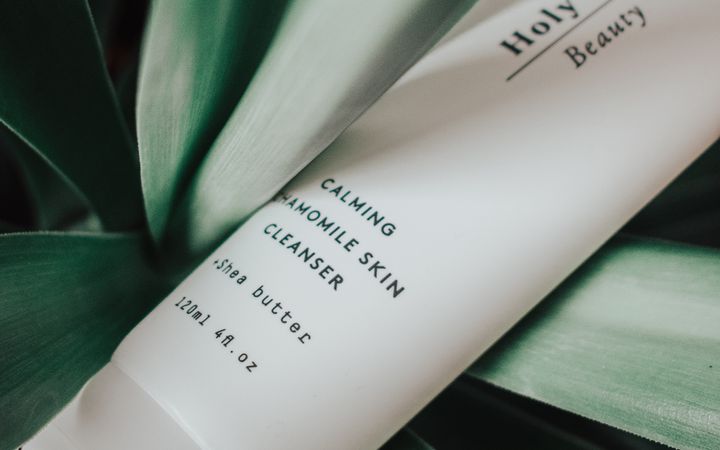
Choosing Makeup and Skincare to Reduce Rhinitis Irritation
Select fragrance-free products, adjust how you apply cosmetics, and prepare simple on-the-go options to make daily grooming more comfortable for people with rhinitis.
Archive
Back to the article hub
Browse more RhinitisRank articles and long-tail education pages.
OpenPractical tools
Move into practical resources
Open tools like the trigger diary, checklists, and visit-prep resources.
OpenQuick assessment
Take the rhinitis quiz
Turn symptoms into a clearer starting point before your next appointment.
Open