

Attending Religious Services When You Have Rhinitis
Small planning choices can reduce nasal discomfort during communal worship. This article offers practical, non-prescriptive strategies to help you navigate services more comfortably.
In brief
Plan ahead and use discreet on-site strategies to manage rhinitis during religious services. Learn comfortable seating, scent-awareness, and simple coping ideas.
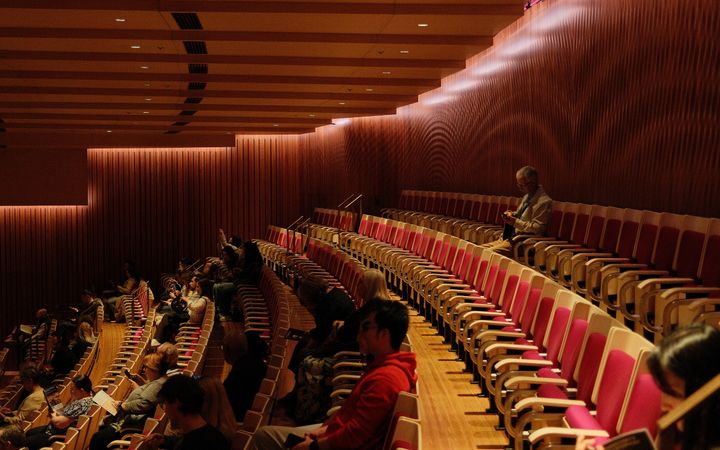
Photo by Luis Quintero on Pexels
Attending religious services can involve close seating, shared spaces, and sensory cues that some people with rhinitis notice. Thinking through the environment and a few simple preparations can make the experience more comfortable without changing participation.
Before you go, consider timing and logistics. Arriving a little earlier can help you choose a spot that feels best for airflow and quick exits if you need a break. Packing a small kit with tissues, a water bottle, and any familiar comfort items you use — such as saline rinse supplies or a nasal spray if that is already part of your routine — can be useful.
During the service, being mindful of scents and airborne irritants may help reduce surprises. Incense, candles, flowers, or strong perfumes are common triggers in some settings, so noticing where those are used and selecting seating accordingly can be worthwhile. If you expect to need a short break, planning a discreet route to step outside and return can reduce stress.
Social and etiquette considerations are common in communal worship. If you feel comfortable, a brief note to a host, leader, or companion about your needs can help with seating choices or timing. Using tissues, covering coughs or sneezes, and returning quietly after a break are ways to stay considerate of others while managing symptoms.
After the service, simple self-care steps can support recovery. Rinsing your nasal passages or washing hands and face may remove lingering irritants for some people, and jotting down any patterns you noticed (a particular aisle, a scented spot, or time of day) can inform future planning. These are general strategies to help you participate in worship with greater comfort and confidence.
Daily articles
Subscribe for daily reads and jump into the latest article now.
Receive RhinitisRank articles by text message and email each day, then head straight to the article library whenever you want a deeper read.

Fresh reading
Educational reads for flare-ups, patterns, and next steps.
Related reading
More articles in this topic cluster
Continue with nearby rhinitis questions, symptom patterns, and follow-up reading.

Going to Concerts and Theaters with Rhinitis
Practical tips for choosing seats, packing a small comfort kit, and handling common triggers so live events feel more manageable with rhinitis.
Managing Rhinitis at Live Events and Performances
Planning and small adjustments can help you enjoy live shows with fewer interruptions. Learn simple strategies for seating, timing, and sensory triggers.

Managing Rhinitis at Crowded Events and Gatherings
Attending busy events may bring common rhinitis triggers. Simple preparation and in-the-moment choices can help you feel more comfortable while out socially.
Archive
Back to the article hub
Browse more RhinitisRank articles and long-tail education pages.
OpenPractical tools
Move into practical resources
Open tools like the trigger diary, checklists, and visit-prep resources.
OpenQuick assessment
Take the rhinitis quiz
Turn symptoms into a clearer starting point before your next appointment.
Open